

Mogurnda mbuta
Mbuta Mogurnda
Species Summary
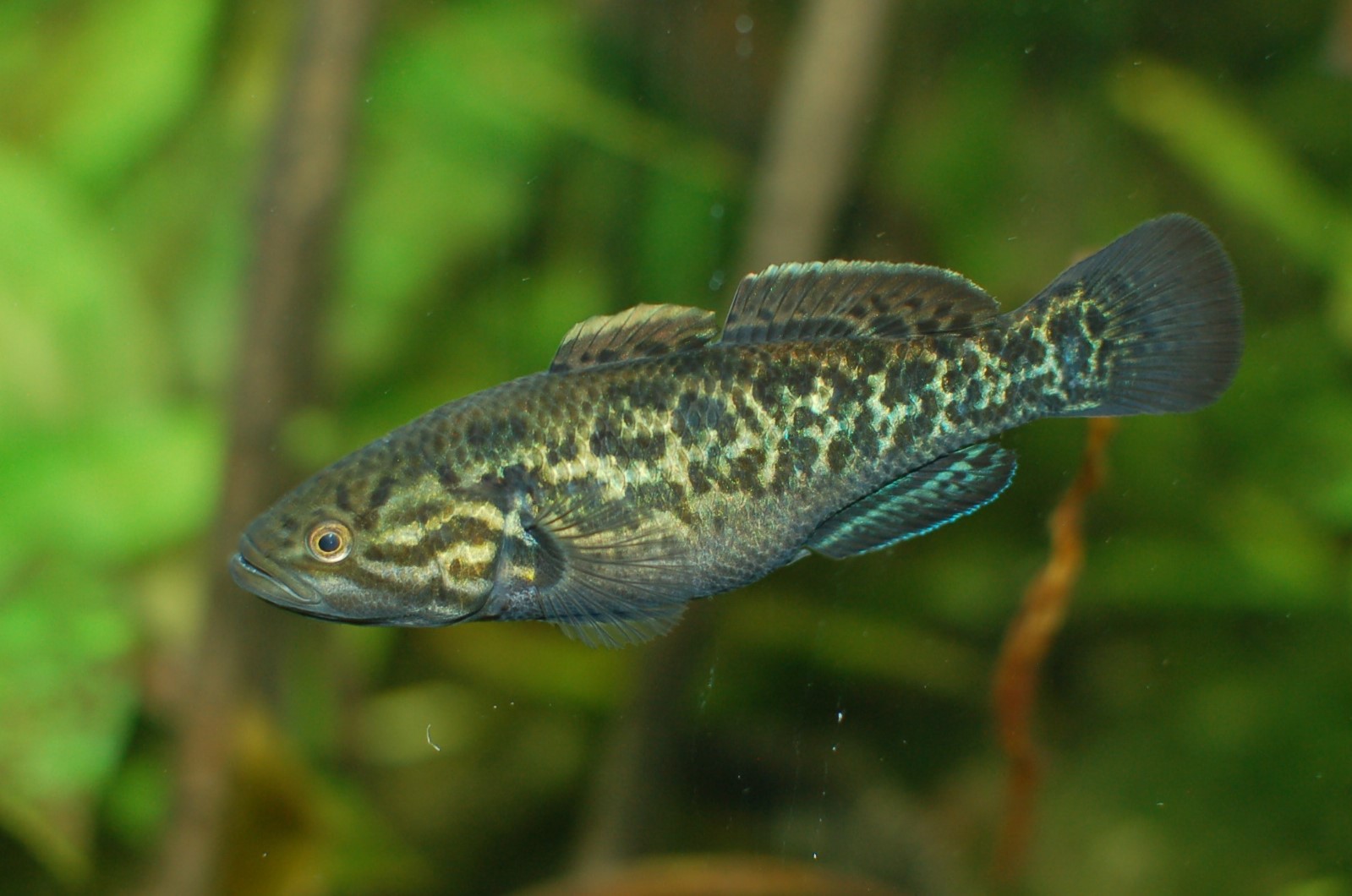
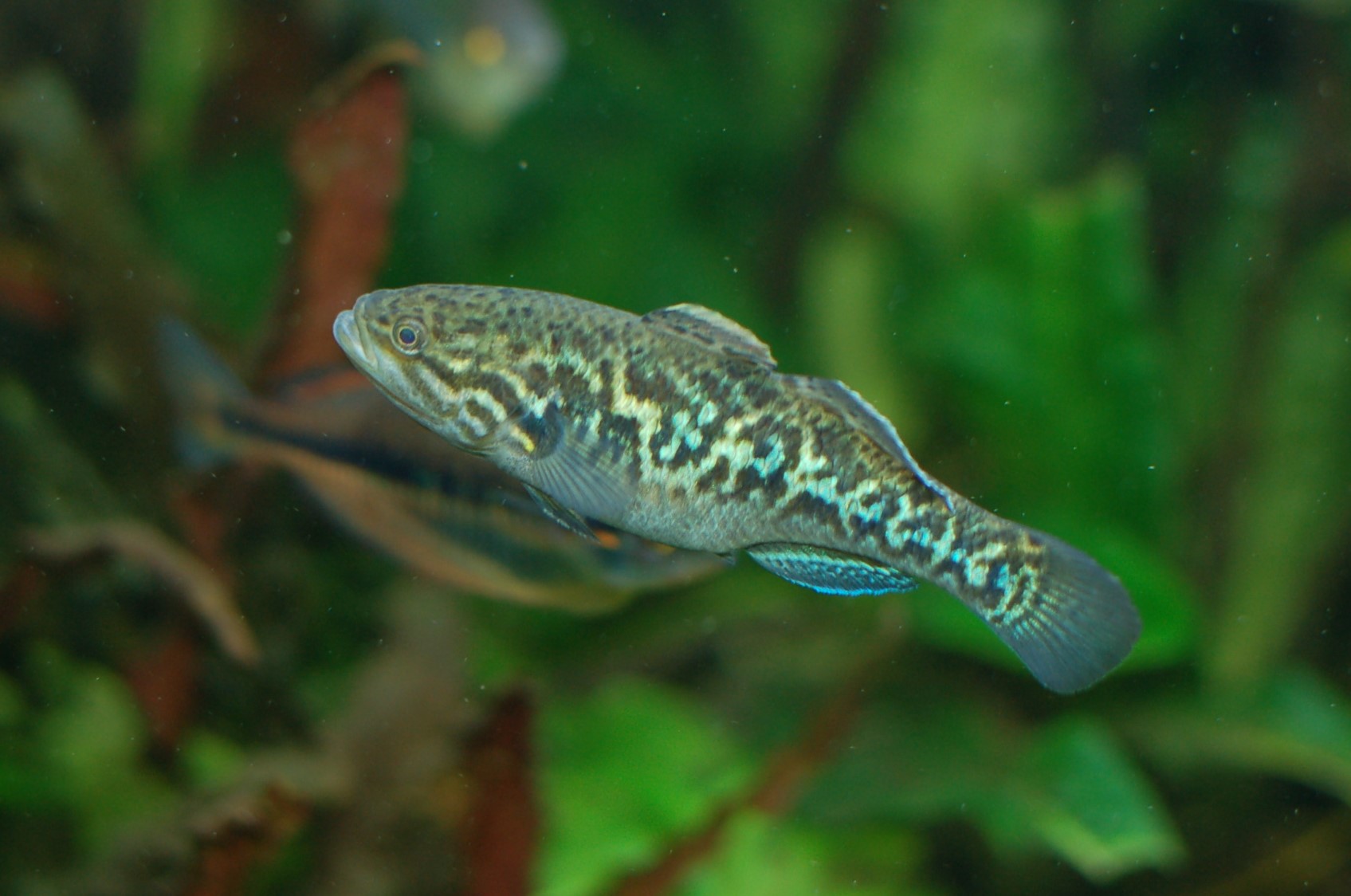
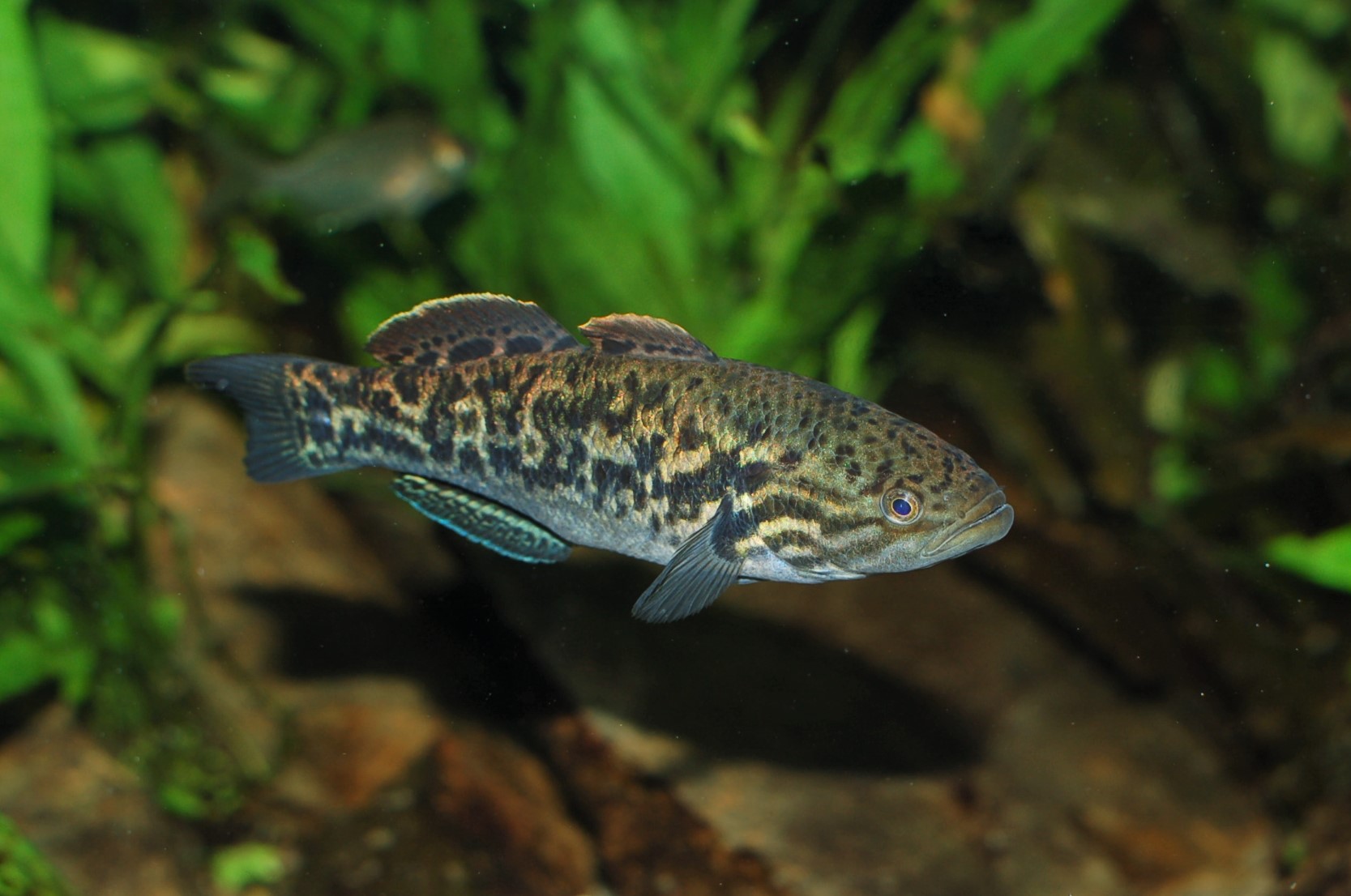
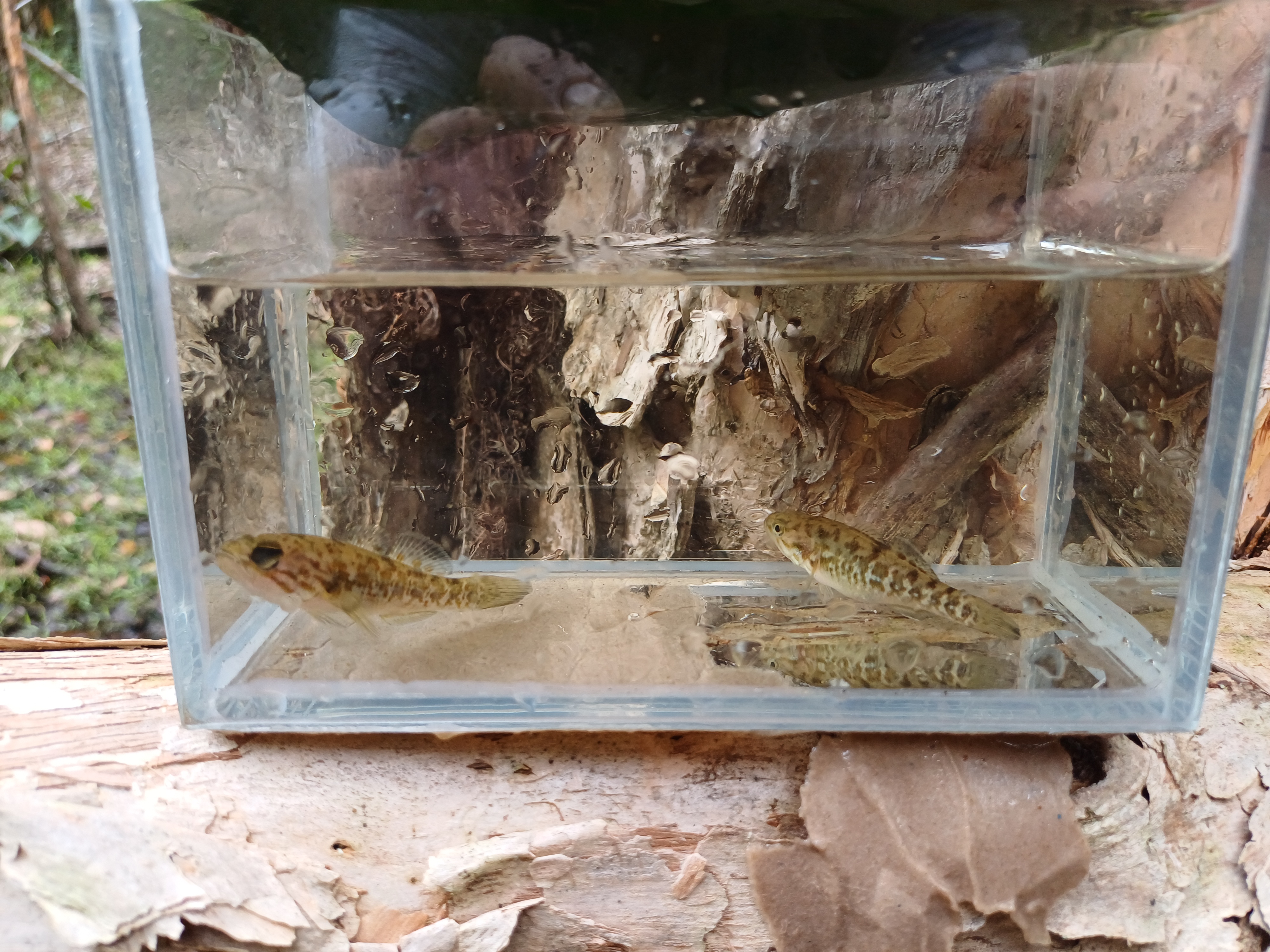
Mogurnda mbuta is a medium-sized gudgeon described in 1999 from a single isolated wetland, the Mbuta Basin, in the Etna Bay region of Papua Province (formerly Irian Jaya), Indonesia. Young fish carry a series of 8–10 alternating yellowish and brown bars along the upper two-thirds of the body; with growth the pattern becomes an increasingly dense, irregular mass of red-brown spots and blotches, and large adults are almost entirely dark brown to blackish, with only a narrow white margin remaining on the dorsal and anal fins. It reaches at least 101 mm SL, making it a relatively small member of the genus. It is most similar to the much larger Mogurnda magna of nearby Lake Laamora and Lake Aiwaso, and to Mogurnda kaifayama, described in the same paper from neighbouring Lake Kaifayama.
Etymology
The species name mbuta refers to the type locality, the Mbuta Basin. It is a noun in apposition, taking no adjectival ending.
Distribution & Habitat
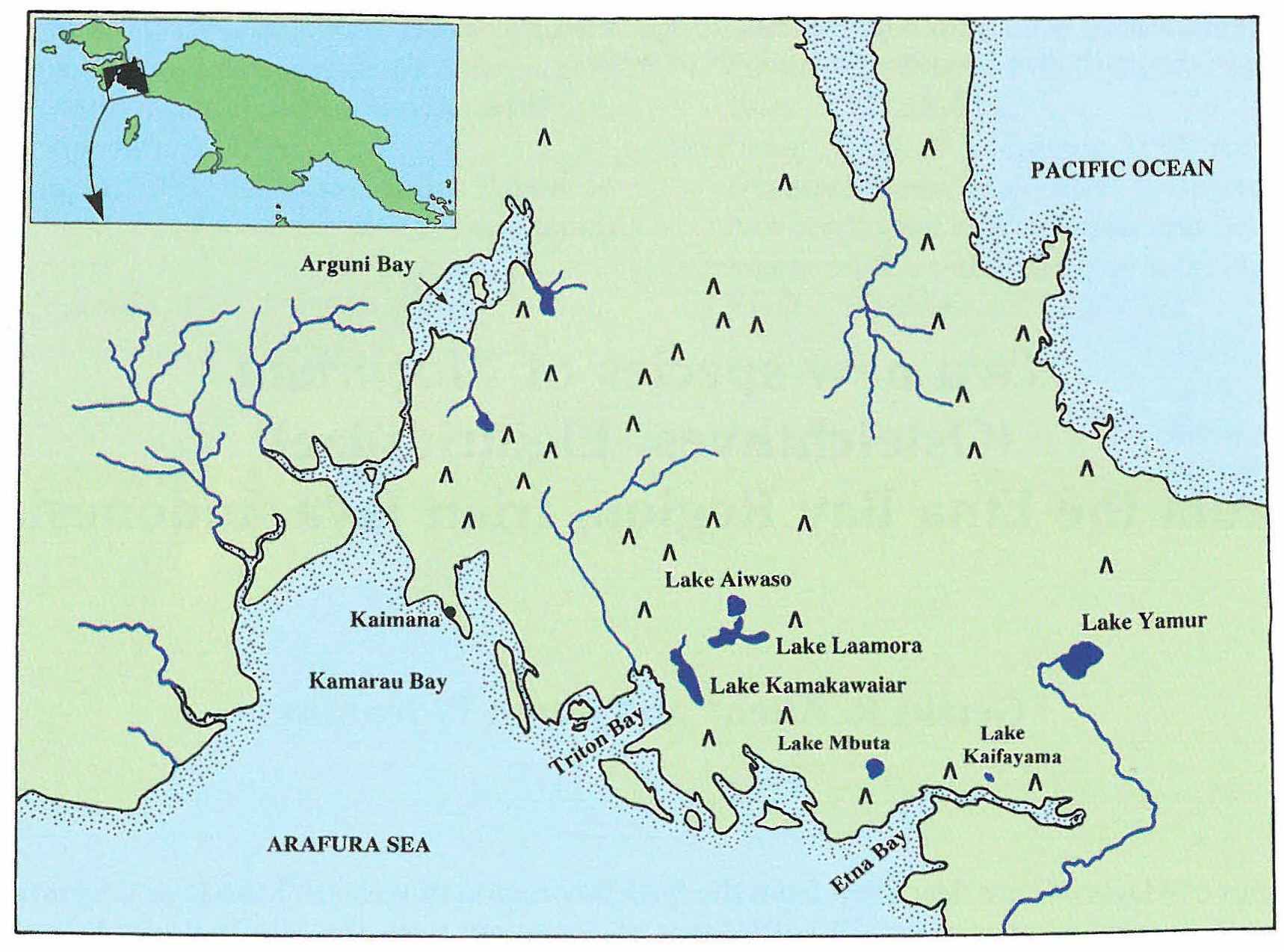
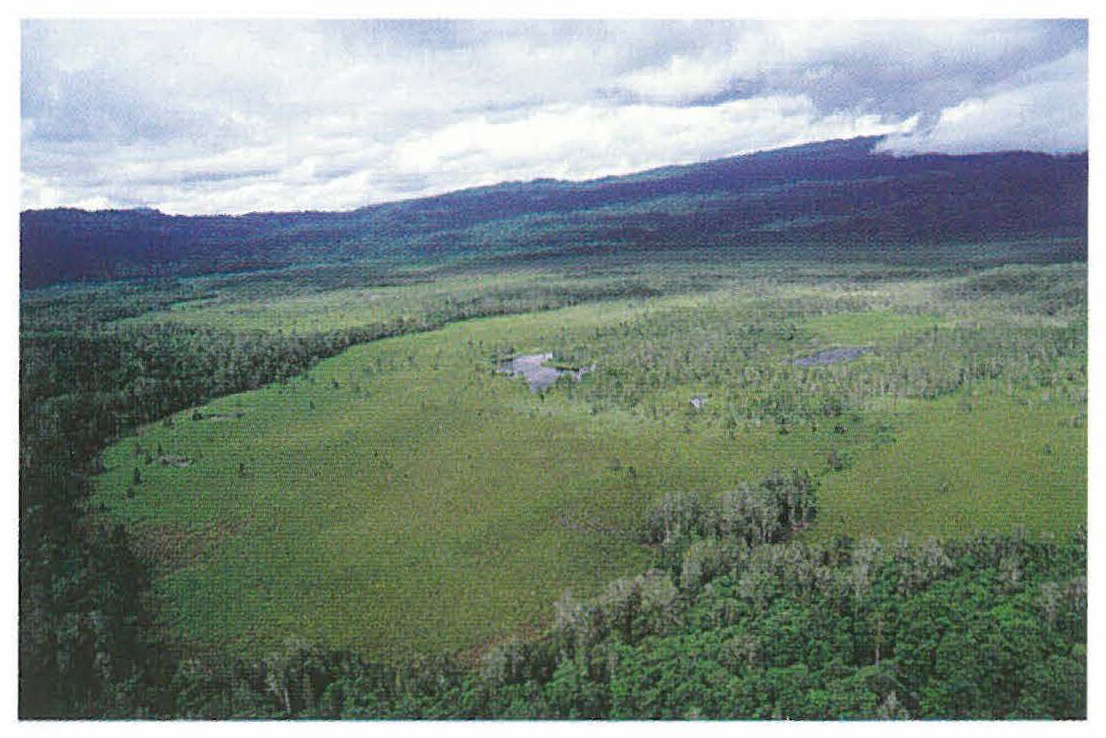
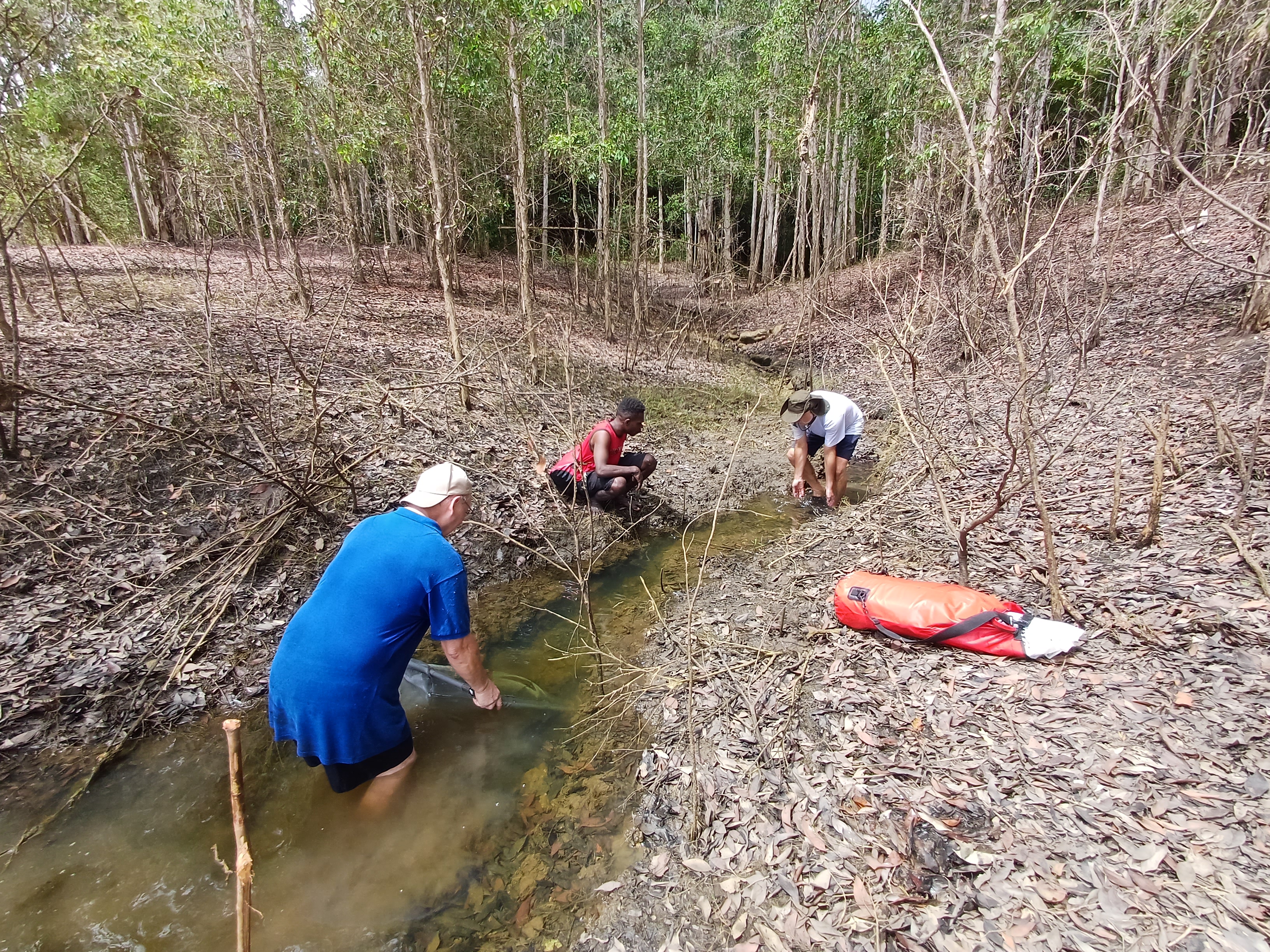
Mogurnda mbuta is known from Lake Mbuta and a roughly circular swampy basin about 5 km across, some 8 km north of Lake Mbuta itself. Lake Mbuta appears on published maps as a lake, however it periodically dries out and becomes marshland. The same applies to the swamp north of Lake Mbuta, which is the actual type locality for this species, and which Gerry Allen describes as threaded with small ponds, creeks and at least one small river. The type series was collected with rotenone from a 2–3 m wide, clear but darkly tea-stained creek with fairly fast flow through near-closed forest canopy, over a mud bottom with occasional rocks, log debris and sparse aquatic vegetation, at 25.8 °C and pH 6.4. Mogurnda mbuta was the fifth most abundant fish at the site, well behind Melanotaenia goldiei, Craterocephalus and Neosilurus brevidorsalis (a rainbowfish, an atherinid and a plotosid catfish), but ahead of another eleotrid and a crayfish; the basin itself is uninhabited by people but supports large numbers of wild pig and deer.
Further specimens were collected in 2023 by Graf, Heemskerk, Mailliet and Ohee in various streams connecting Lake Mbuta to an unnamed swamp area just north of the lake itself. These were successfully exported and bred, and are now becoming available in Europe and North America.
Description
Body elongate and laterally compressed, more strongly so toward the rear; head rounded with a relatively short snout, its profile straight to slightly concave, and a strongly arched nape. Soft dorsal rays 11–12; soft anal rays usually 12, occasionally 13 or 14; pectoral rays usually 16, occasionally 14 or 15; scales in lateral series 35–38; predorsal scales 17–22. Sensory pores are absent from the head, replaced by tracks of well-developed papillae. Colour in life: juveniles show 8–10 alternating yellowish and brown bars on the upper sides, with a pair of oblique dark bands, edged whitish, running from the lower rear corner of the eye to the lower margin of the operculum, and a dark brown triangular mark on the pectoral-fin base bordered above and below by yellow-white. Larger fish (roughly 65–100 mm SL) become darker overall on a background of golden yellow, the bars replaced by irregular red-brown spots and blotches; the second dorsal fin carries four more-or-less equal-sized spots near its base, a useful field character distinguishing this species from its closer relatives (see below).
Comparison with Similar Species
Mogurnda mbuta is most similar to M. magna, which occurs in Lake Laamora and Lake Aiwaso about 35 km to the northwest and is the largest species in the genus, reaching at least 190 mm SL against 101 mm for Mogurnda mbuta. Mogurnda mbuta also has fewer predorsal and transverse scales, and its second dorsal fin usually carries only three spots near the base rather than four, with the rearmost of those three often smaller than the others. It is also closely related to M. kaifayama of neighbouring Lake Kaifayama, differing primarily in having distinctly larger scales — 35–38 rather than 42–49 in the lateral series, 12–13 rather than 16–17 transverse scales, and 17–22 rather than 23–27 predorsal scales. Adult M. kaifayama also have shorter pelvic fins relative to the pectoral fin than Mogurnda mbuta, usually 16 rather than 17 pectoral rays, and only two rather than four spots on the second dorsal fin.
Account compiled for Home of the Rainbowfish from G. R. Allen & A. P. Jenkins (1999), “Two new species of Mogurnda (Osteichthyes: Eleotrididae) from the Etna Bay region, Irian Jaya, Indonesia”, Ichthyological Exploration of Freshwaters 10(3): 237–246. Content edited/extended by Christophe Mailliet, based on fieldwork in the Etna Bay region in 2023.
References
- Allen G.R. & A.P. Jenkins (1999) Two new species of Mogurnda (Osteichthyes: Eleotrididae) from the Etna Bay region, Irian Jaya, Indonesia. Ichthyological Exploration of Freshwaters 10(3): 237-246.