
Craterocephalus lentiginosus
Freckled Hardyhead
Species Summary
Described in 1987 from the Kimberley region of Western Australia, Craterocephalus lentiginosus is another of the genetically distinct lineages within the broader “stercusmuscarum” group, occurring from around the Gove Peninsula in the Northern Territory west to the Fitzroy River in the Kimberley. It is a tolerant, adaptable fish found across an unusually broad range of habitats and water conditions for the group.
Etymology
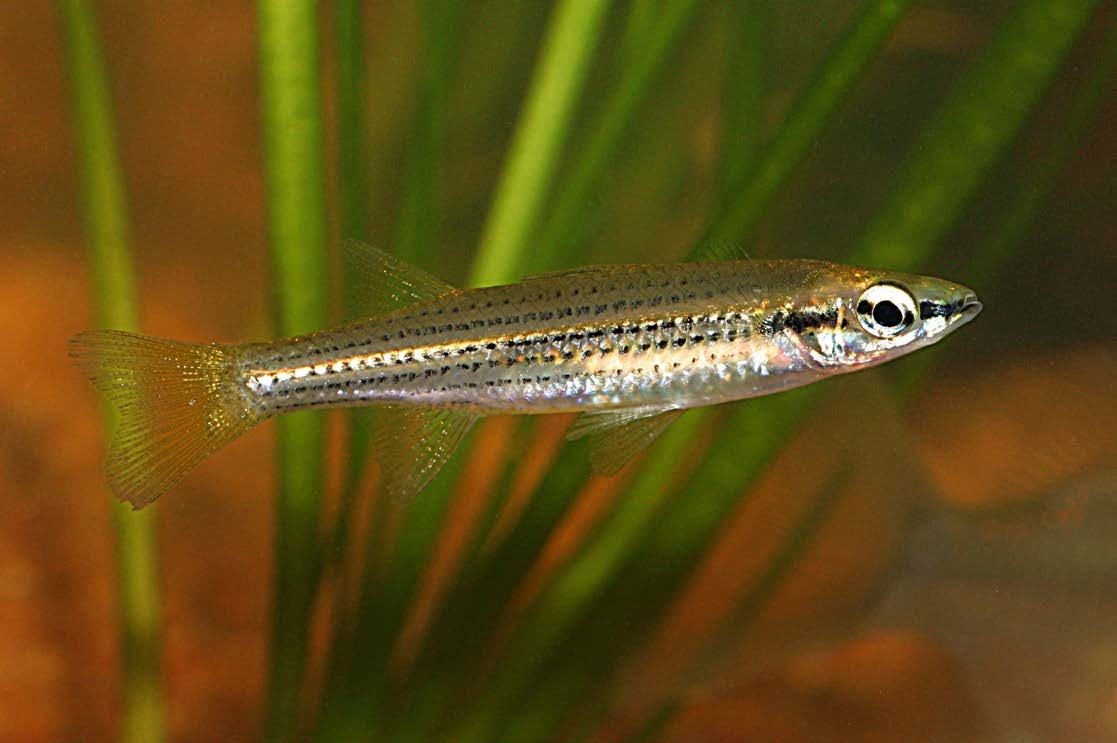
The species name means “freckled”, describing the fine dark speckling concentrated on each scale along the upper body of adult fish.
Etymology compiled from C. Scharpf (2020), “Fishes of Sahul: An Etymological Survey (Part 3)”, Fishes of Sahul 34(2): 1568–1582, and etyfish.org.
Distribution & Habitat
Corroboree Billabong in the Mary River system, Northern Territory, has on occasion held thousands of Craterocephalus lentiginosus at once. Recorded water conditions for the lineage span 24–43 °C, pH 4.0–8.1 and conductivity 2–110 µS/cm — among the widest tolerance of any hardyhead in the group.
Description & Sexing
Grows to about 80 mm, averaging 48–51 mm. Colouration in both sexes intensifies during spawning, males becoming noticeably more yellow; in a population from Scotts Creek in the Adelaide River drainage, Northern Territory, males develop a deep maroon underside during courtship.
Keeping & Caring
Care follows the same general pattern as other members of the group (see the Flyspecked Hardyhead account for detail on diet, tankmates and general husbandry). Spawning behaviour and early development for this lineage have been documented in detail, providing much of what is known about breeding across the whole group.
Remarks
From the 1970s to the 2000s, this was the hardyhead lineage most often collected for the Australian aquarium trade, taken under licence in the Northern Territory. Low prices for these relatively easy-to-obtain wild fish likely discouraged commercial breeders from ever taking up hardyheads seriously. Licensed freshwater collecting in the NT has since declined considerably, partly due to access restrictions and partly because the industry has shifted its attention toward marine species such as corals, so Freckled Hardyhead and its relatives are less often seen in aquarium shops today than they once were.
K. G. Moy, D. Wilson, G. Briggs, B. Hansen & P. J. Unmack, “Fish in Focus: Craterocephalus “stercusmuscarum” group species (Atherinidae)”, Fishes of Sahul 34(2), June 2020, pp. 1583–1608 — current thinking treats several named Craterocephalus taxa as points within one broader, genetically complex species assemblage rather than as fully independent stories, and this account draws heavily on that review.
References
- Ivantsoff W., L.E.L.M. Crowley, E. Howe and G.P. Semple (1988) Biology and early development of eight fish species from the Alligator Rivers region.