
Craterocephalus sp. Mbuta
Mbuta Hardyhead
Species Summary
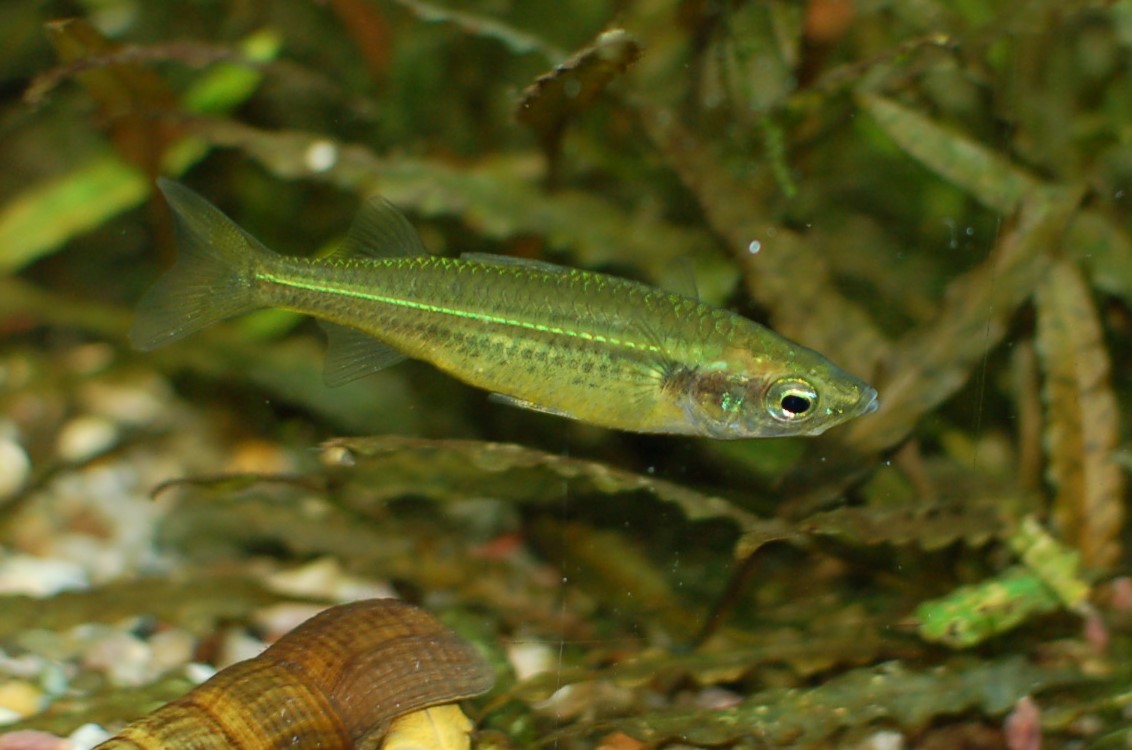
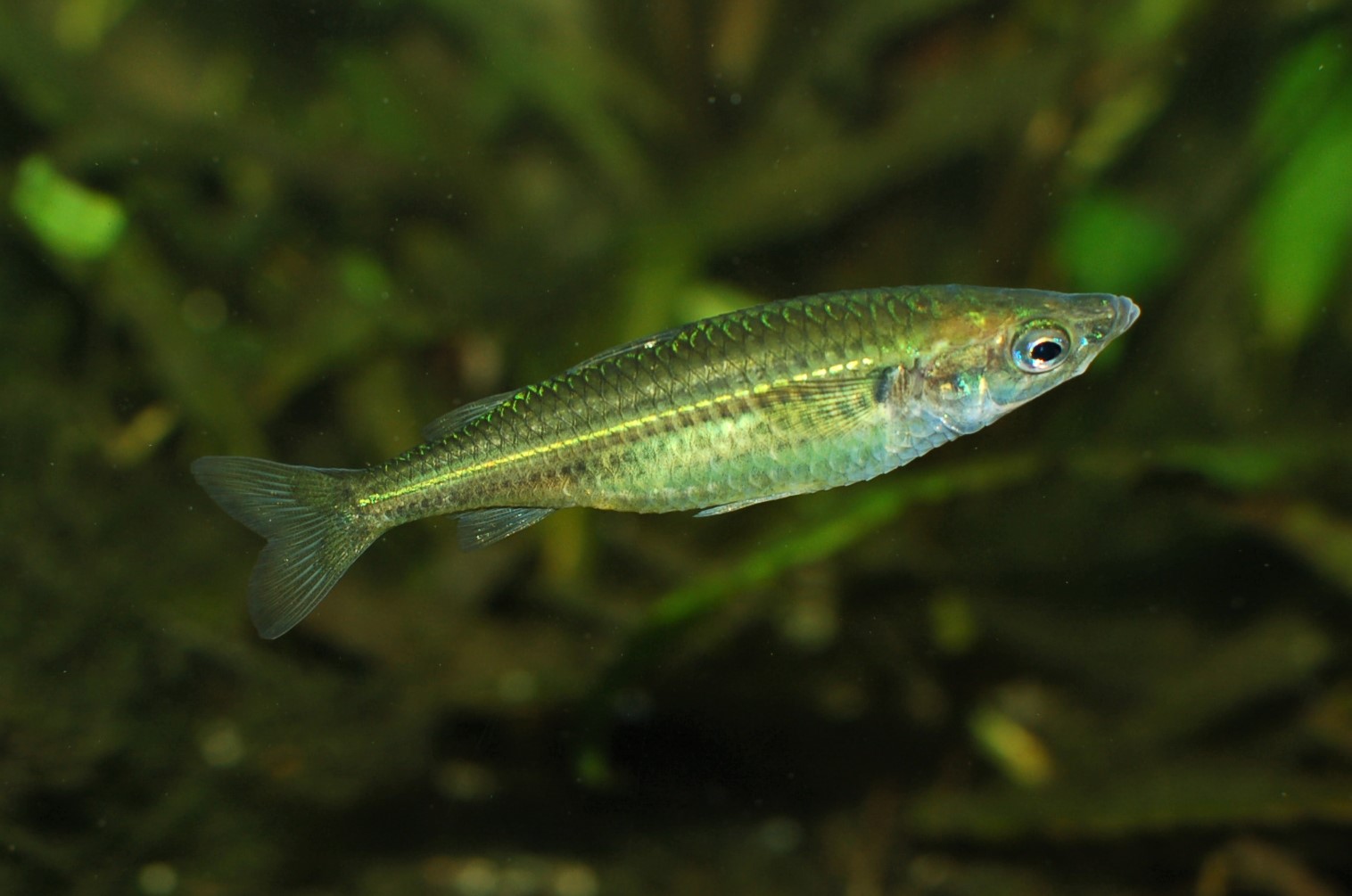
Craterocephalus sp. Mbuta was first collected by Gerald Allen in 1997, together with the type specimens of Pelangia mbutaensis, Mogurnda mbuta and Melanotaenia lacunosa. It has not yet been formally described. A small, golden to greenish hardyhead with a very small mouth reminiscent of Craterocephalus fistularis from the nearby Lake Laamora and Lake Aiwaso, it reaches a maximum length of around 8 cm SL in captivity. The sexes are not clearly distinguishable, though males are slightly more slender with somewhat more pointed unpaired fins than females. Large numbers of specimens of various sizes were collected from tributaries of Lake Mbuta and from shallow areas of the lake itself by Graf, Heemskerk, Mailliet and Ohee in 2023, and were subsequently introduced to the aquarium hobby in Europe and the USA.
Distribution & Habitat
So far only known from Lake Mbuta, an unnamed swampy basin north of the lake (which recent findings indicate is the actual type locality for Pelangia mbutaensis, Mogurnda mbuta and Melanotaenia lacunosa), and various streams connecting the two, including Kali Swykay.
Keeping & Caring
Craterocephalus sp. Mbuta is a very peaceful and active schooling fish that makes an ideal companion for rainbowfish and smaller gobies or gudgeons. An omnivore, it will thrive readily on any live or commercial food, though it shows a distinct preference for small copepods and Artemia nauplii, and will also scrape green algae off rocks and plants.
Breeding
Craterocephalus sp. Mbuta has been bred successfully in Europe and the USA. The larvae are extremely small and difficult to raise, accepting only microscopic food in the early stages of life.
Remarks
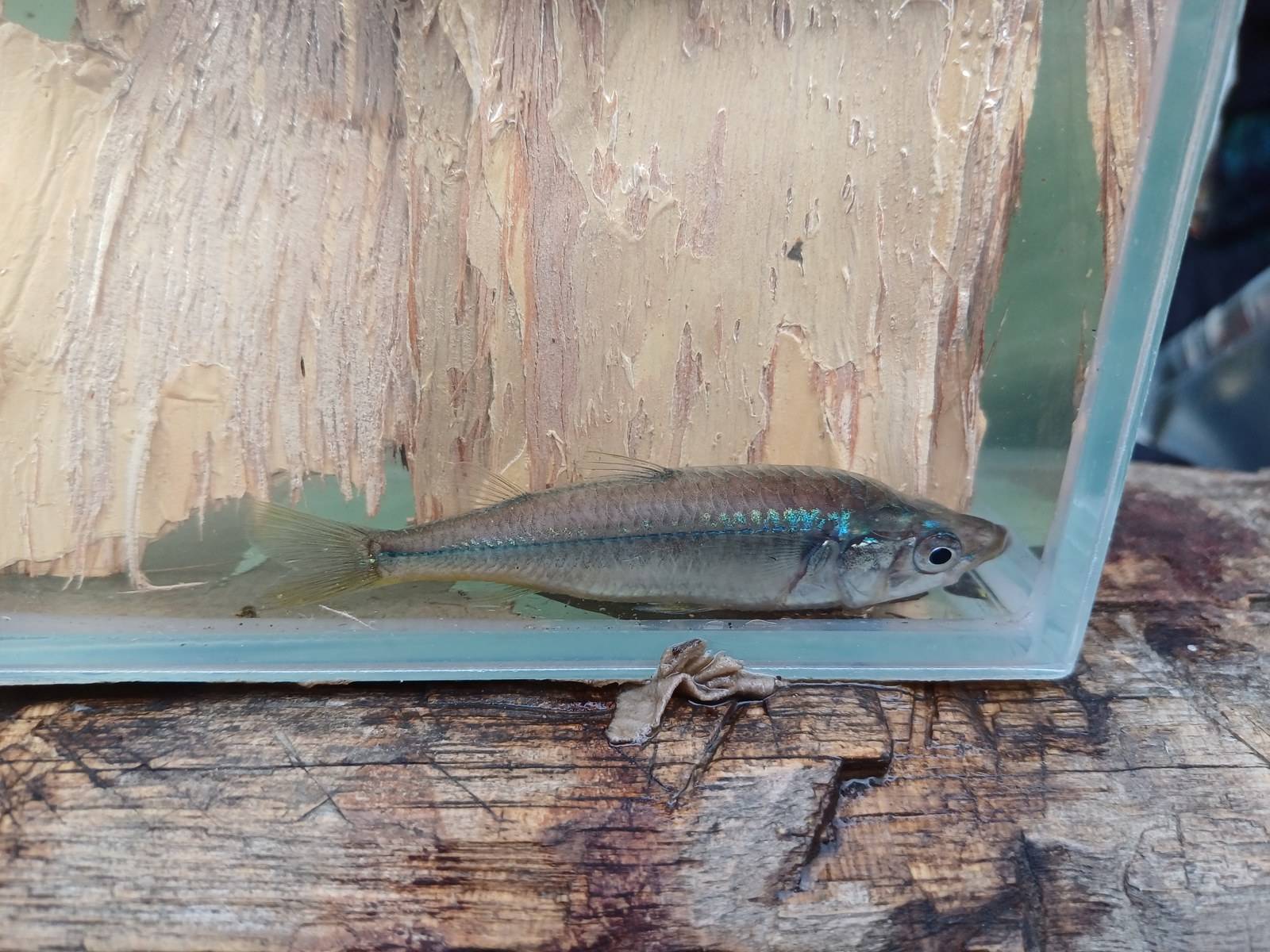
During the 2023 collecting trip to Lake Mbuta, Graf, Heemskerk, Mailliet and Ohee also caught some large hardyheads of a blue-grey colour (about 9 cm SL) in Kali Swykay, looking quite different to the small golden species described here. Whether these simply represented fully grown specimens of the same species is unclear; even the largest aquarium specimens of Craterocephalus sp. Mbuta have never shown the blue-grey colouration and have stayed considerably smaller than the larger Kali Swykay specimens, which were unfortunately not preserved. It is worth noting that two different species and genera of hardyheads occur together in nearby Lake Laamora, Sashatherina giganteus and Craterocephalus cf. fistularis, so it is possible that Lake Mbuta likewise harbours two species of hardyhead.
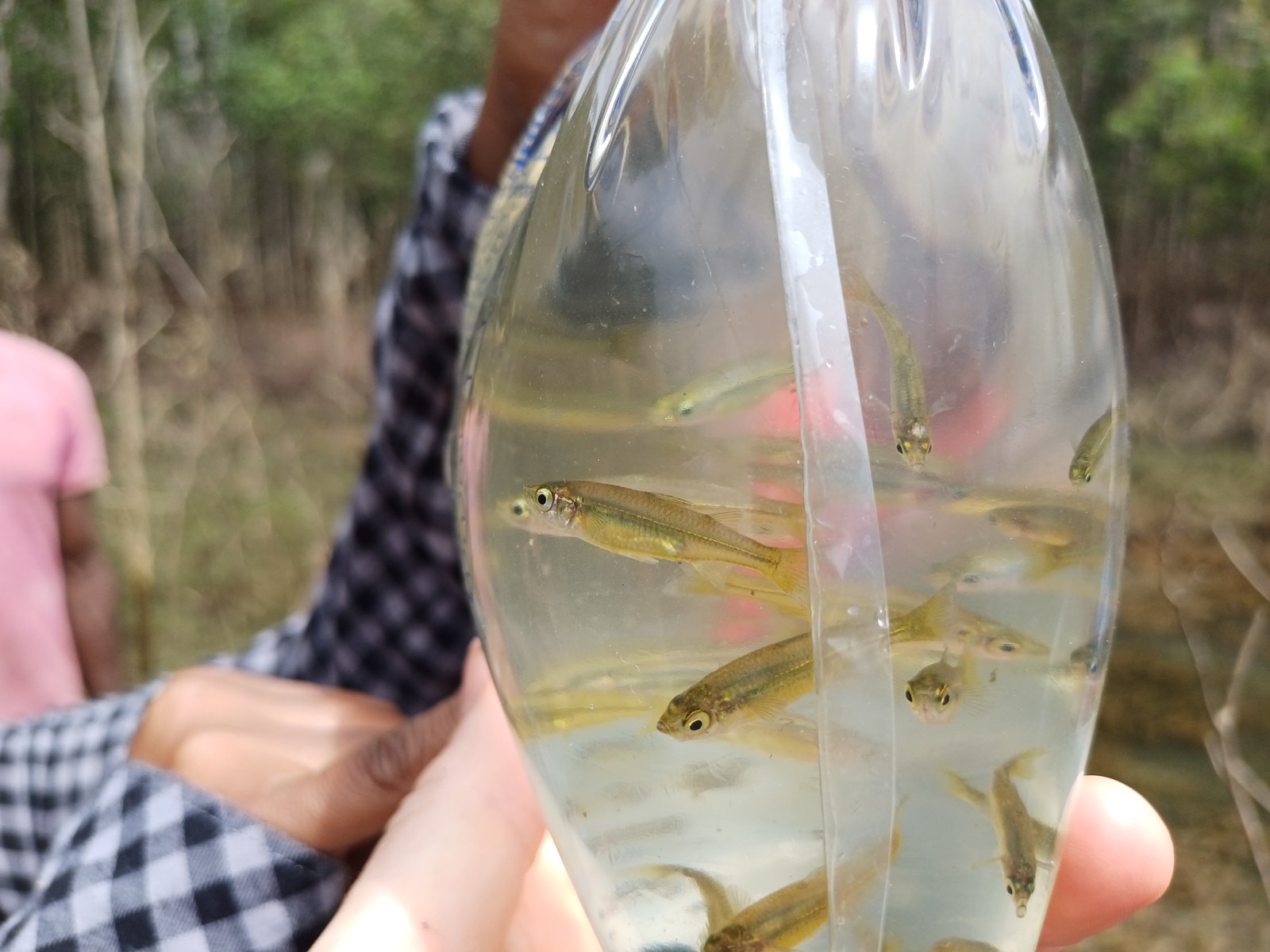
Account and observations from Christophe Mailliet, based on the 2023 Lake Mbuta collecting trip and subsequent captive breeding.