

Melanotaenia splendida inornata
Chequered Rainbowfish
Synonymy
- Aida inornata Castelnau, 1875
- Aristeus cavifrons Macleay, 1882
- Rhombatractus cavifrons Ogilbyi, 1896
- Aidapora carteri Whitley, 1935
- Melanotaenia maculata Allen, 1978
- Melanotaenia splendida inornata Allen, 1980
Species Summary
Melanotaenia splendida subsp. inornata were first described in 1875 as Aida inornata. During the 1950–60’s they were very popular with native fish keepers in Australia. They were then scientifically known as Aidapora carteri and commonly known as “Carter’s Sunfish”. They did not become known in the international hobby until around the mid-1970s when they went on displayed at the Berlin Aquarium in Germany. At that point of time they were known as Melanotaenia maculata (Allen, 1978). Gerald Allen’s revision of the family Melanotaeniidae in 1980 places them under their current name.
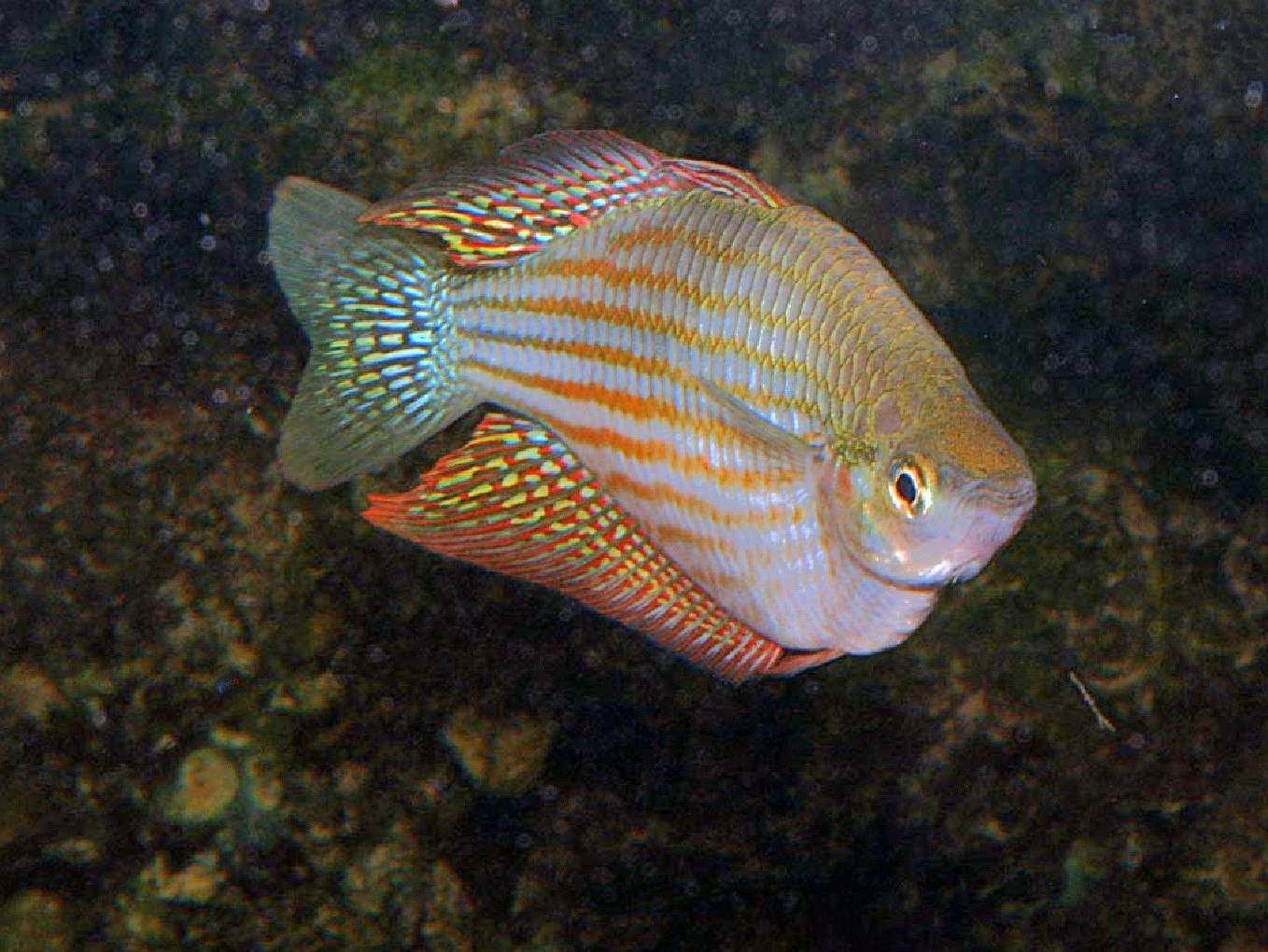
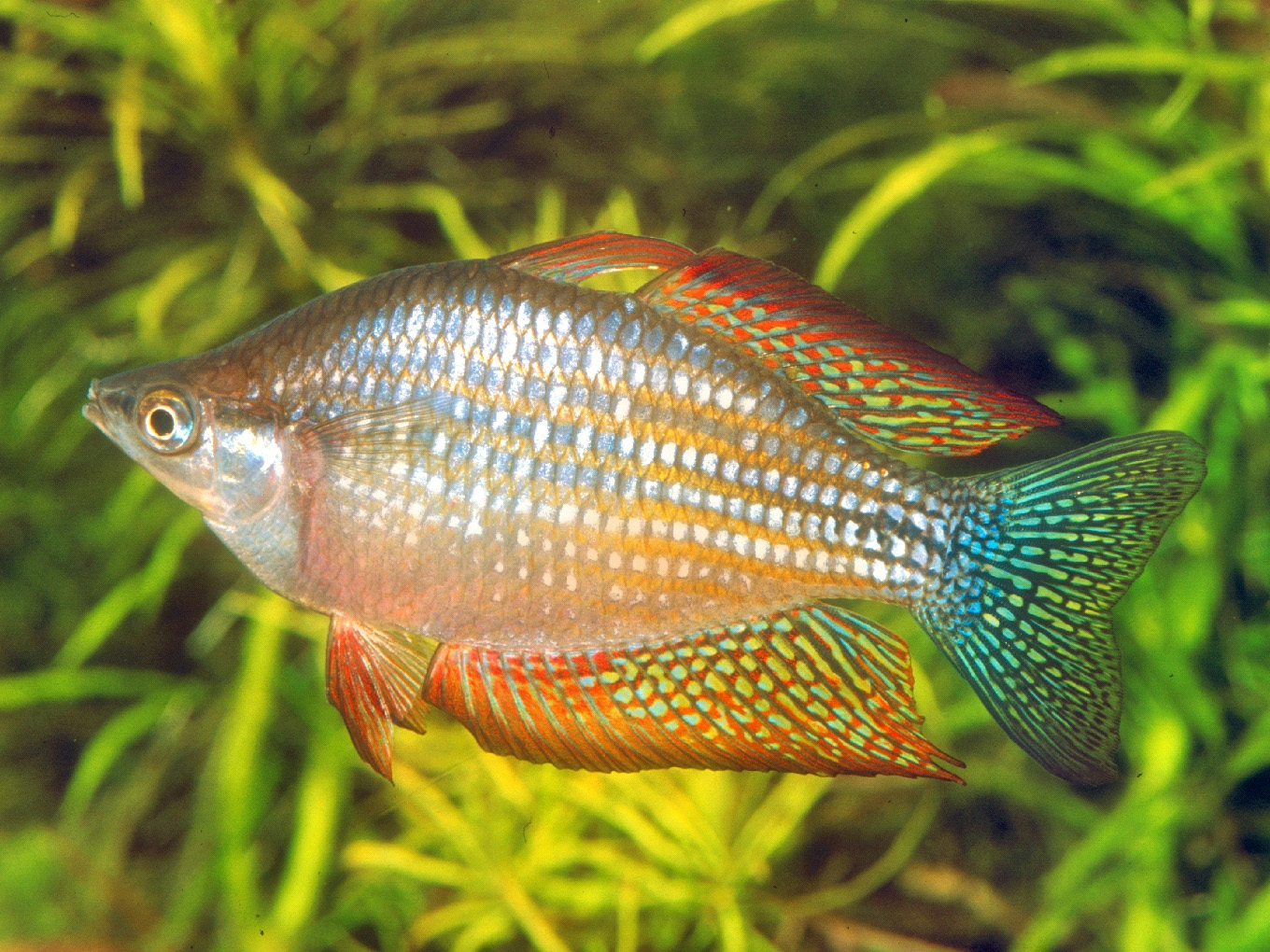
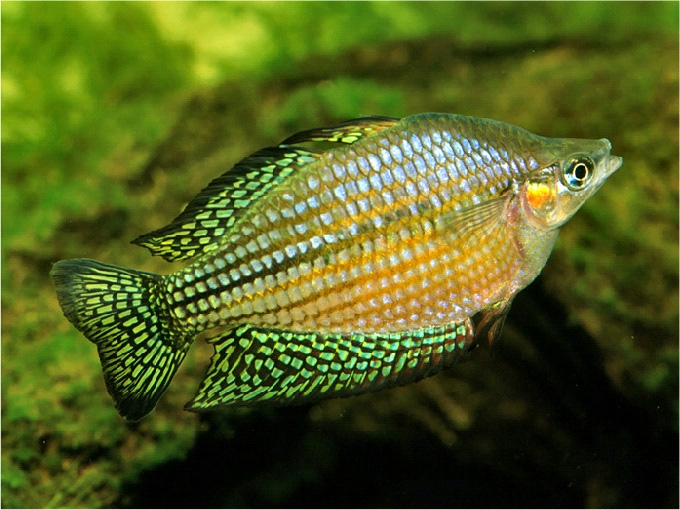
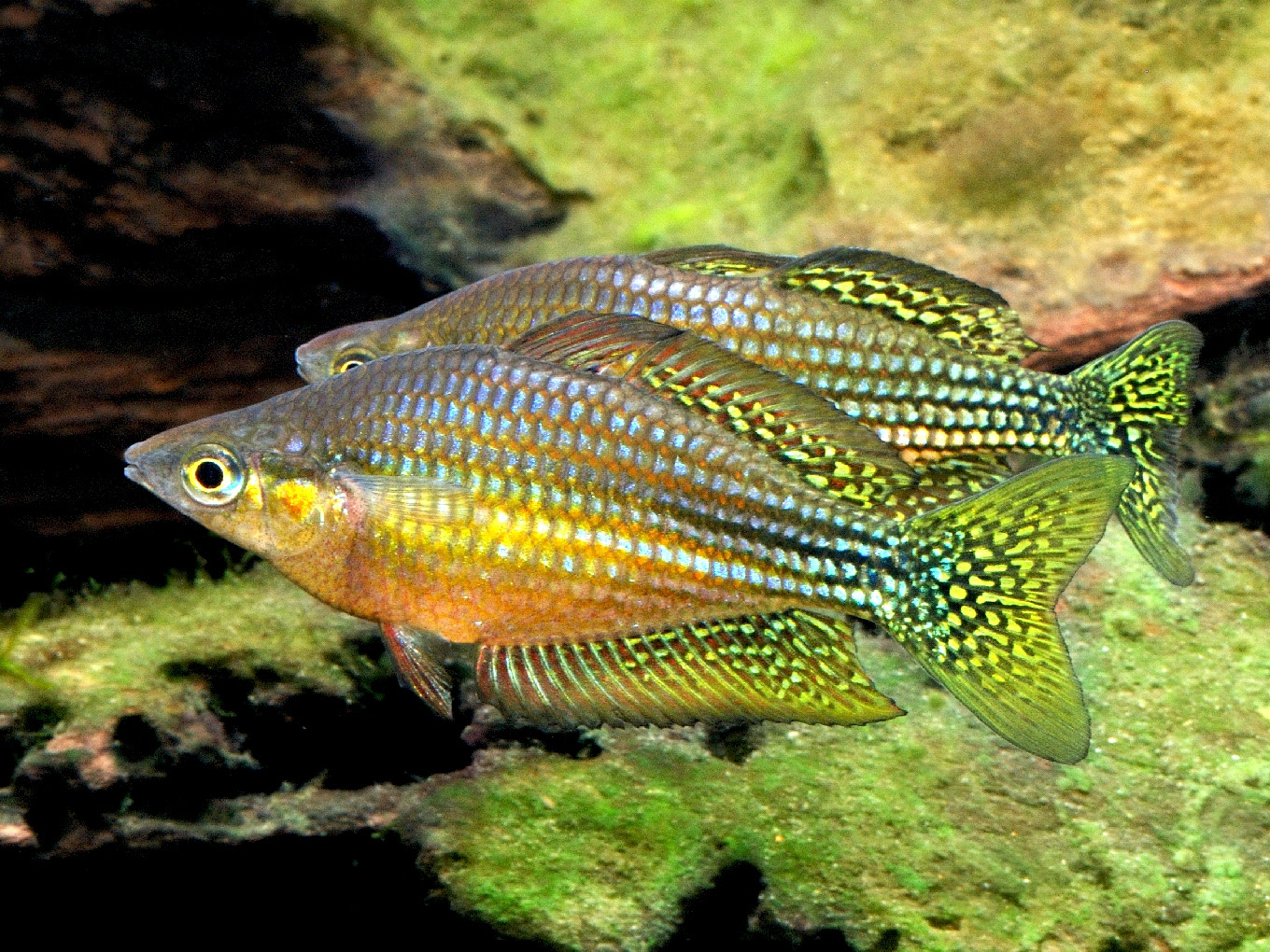
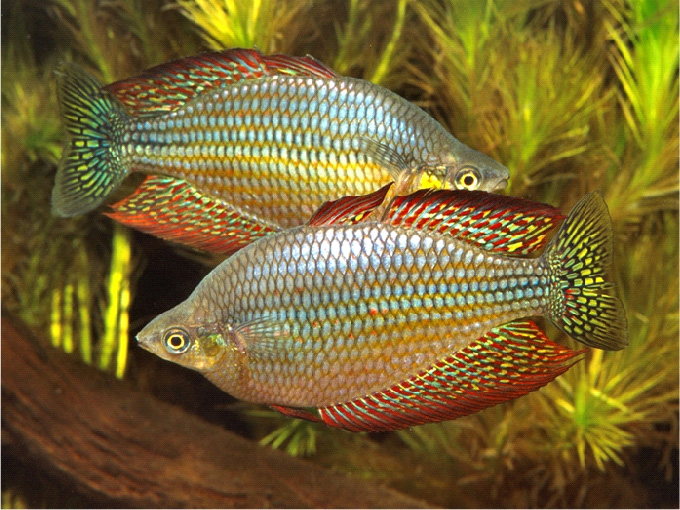
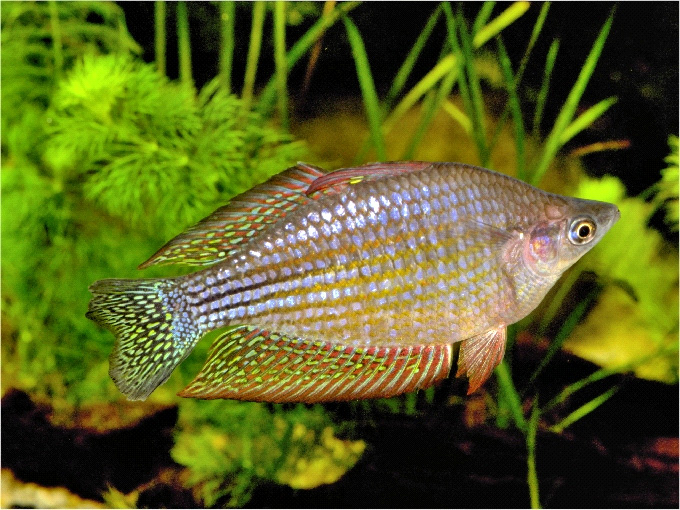
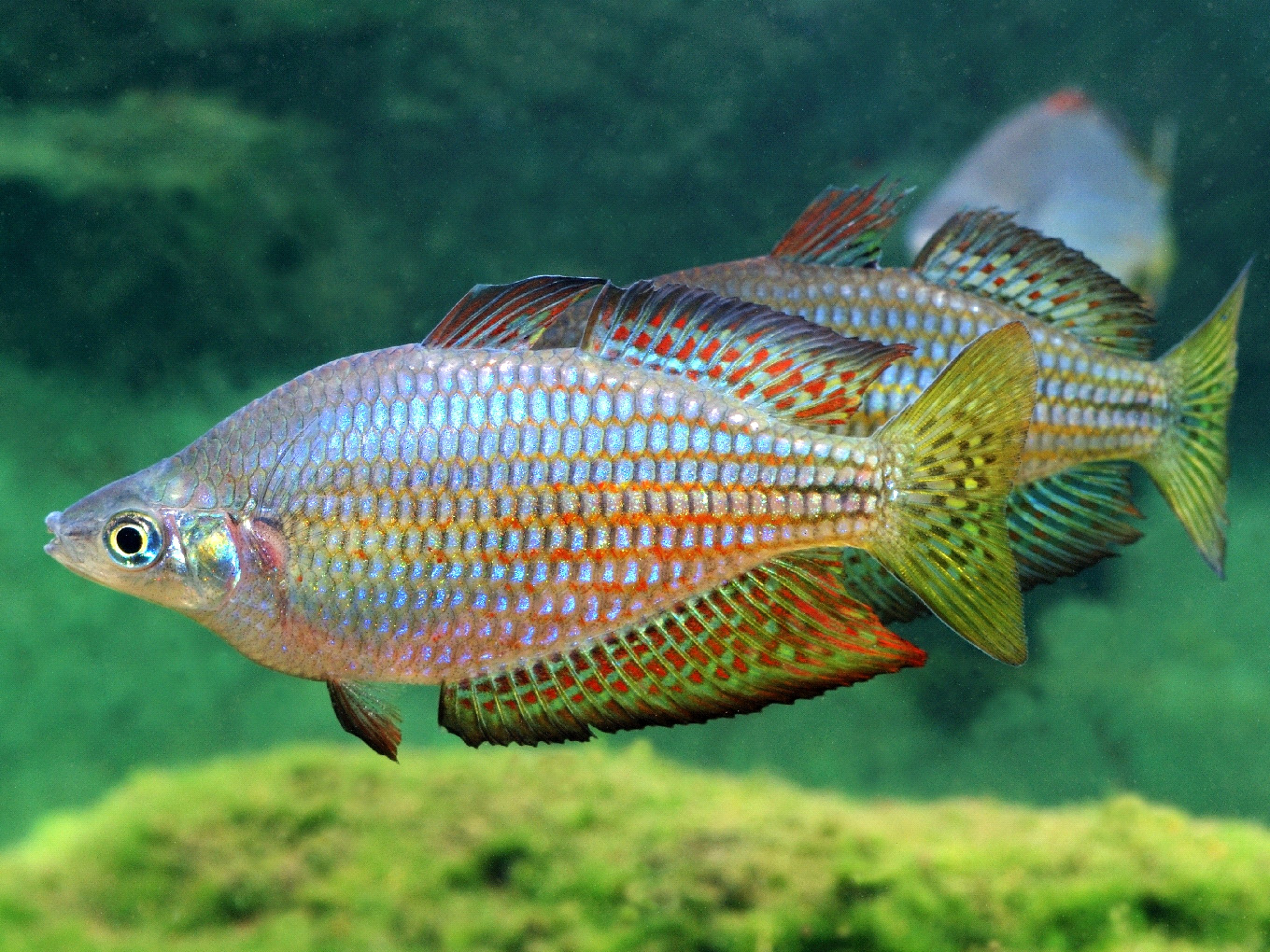
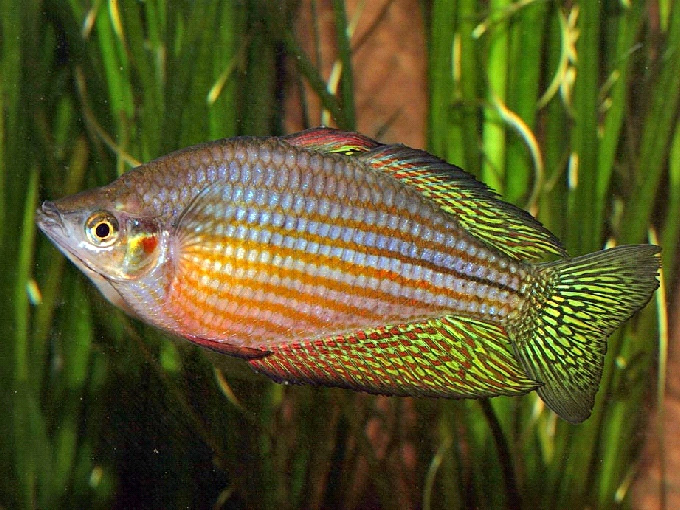
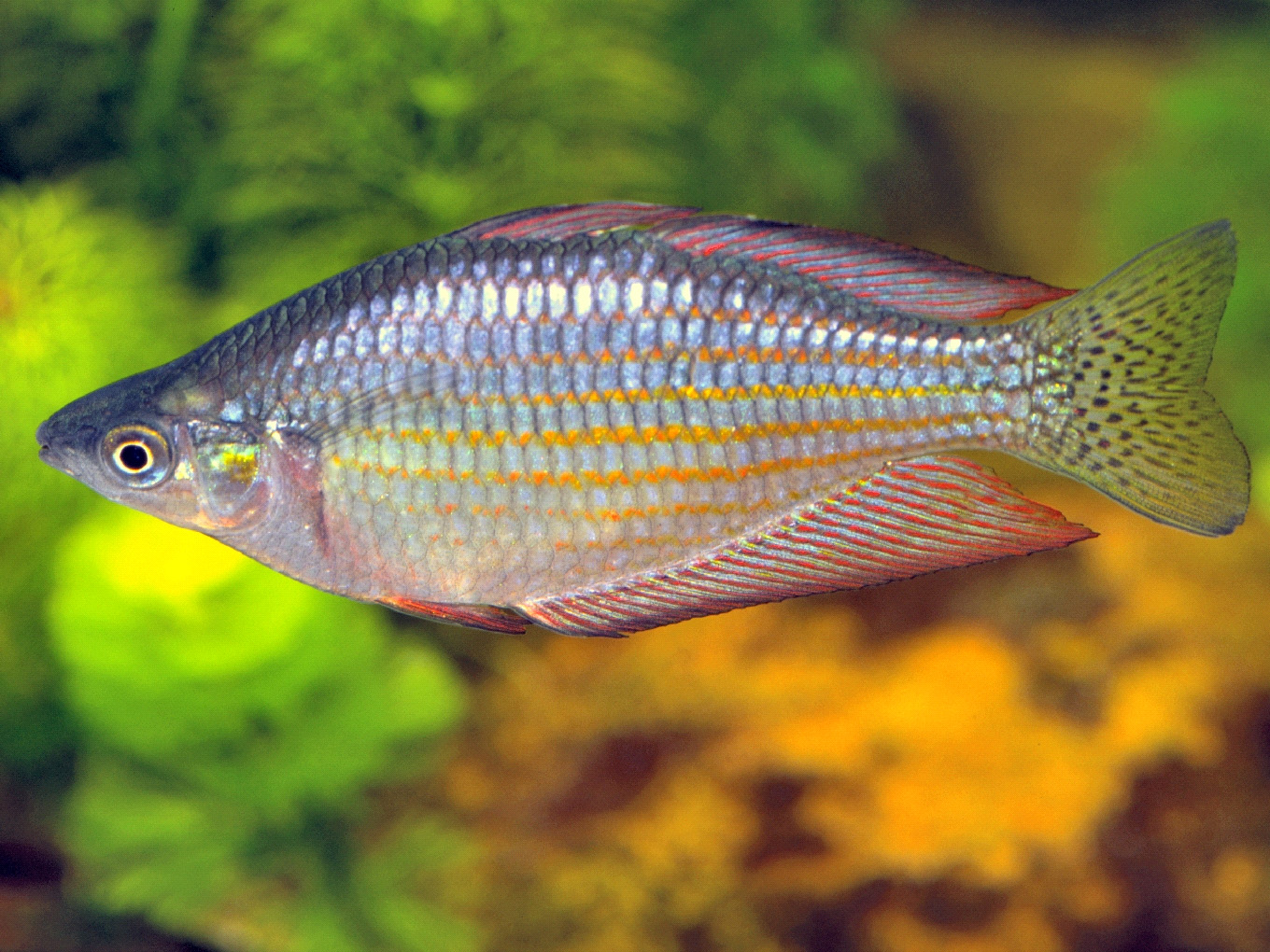
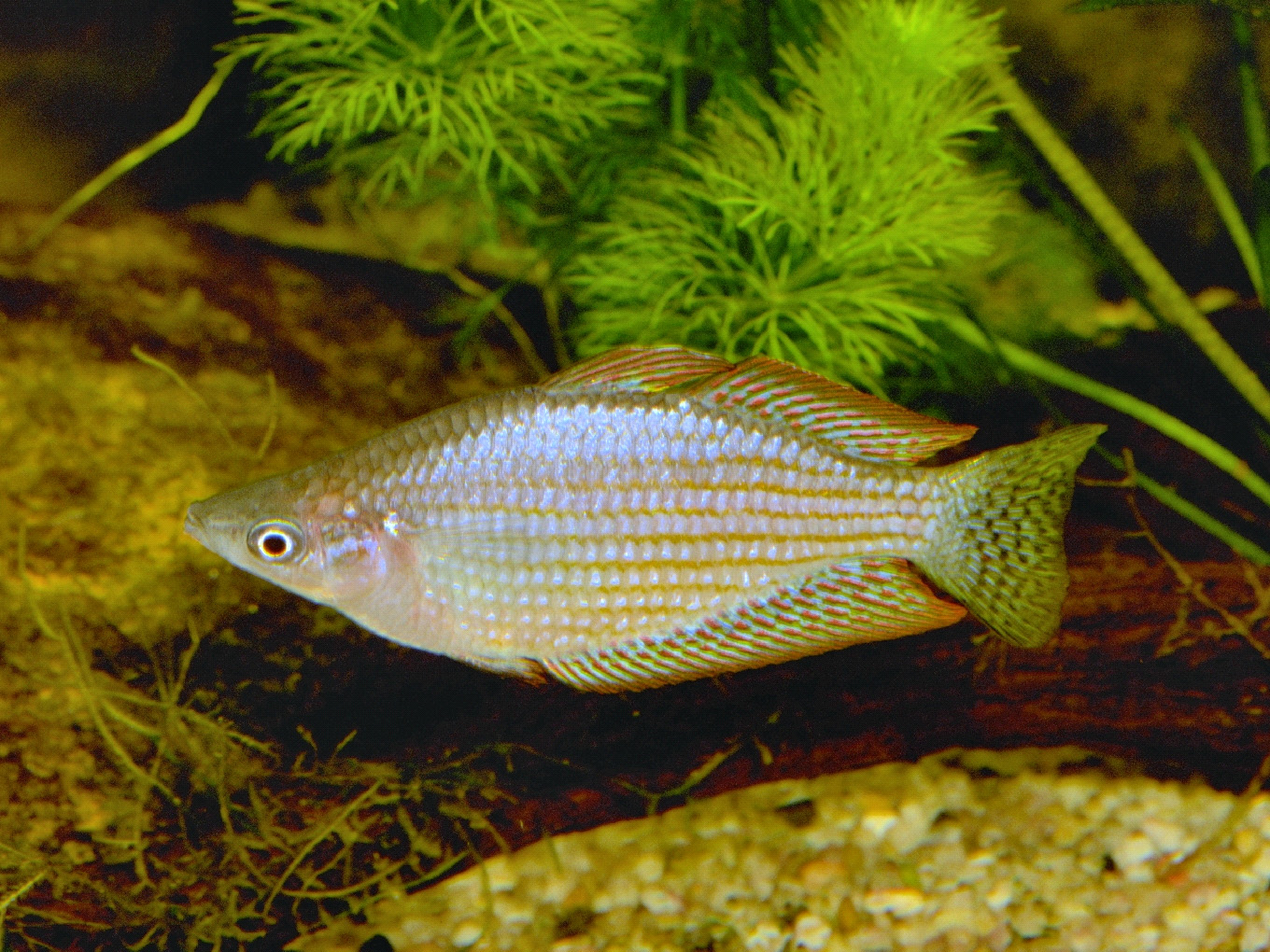
Generally the body colour is olivaceous to yellowish with white breast. Scales on side of body with purplish sheen. Mid -lateral stripe deep yellowish anteriorly, and bluish-green or brownish-green on caudal peduncle. Other body stripes yellow or red. An orange or yellow spot on opercula. Dorsal, caudal and anal fins red and yellow chequered or orangeyellow with bright red spots on their membranes, with faint black edge. Females have alternating longitudinal yellow and silvery-grey stripes on the body. Larger specimens may develop a dark mid-lateral band caudally, but this is not apparent in smaller specimens. Larger specimens may also have chequered appearance of the dorsal and anal fins.
Etymology
The subspecies name inornata is Latin for unadorned, presumably referring to the general silvery colour with a greenish tinge of the specimens Castelnau examined, although the fish is much more colourful in life.
Etymology compiled from C. Scharpf (2022), “Fishes of Sahul: An Etymological Survey (Part 5), the rainbowfishes (continued)”, Fishes of Sahul 36(4): 1968–1992, and etyfish.org.
Distribution & Habitat
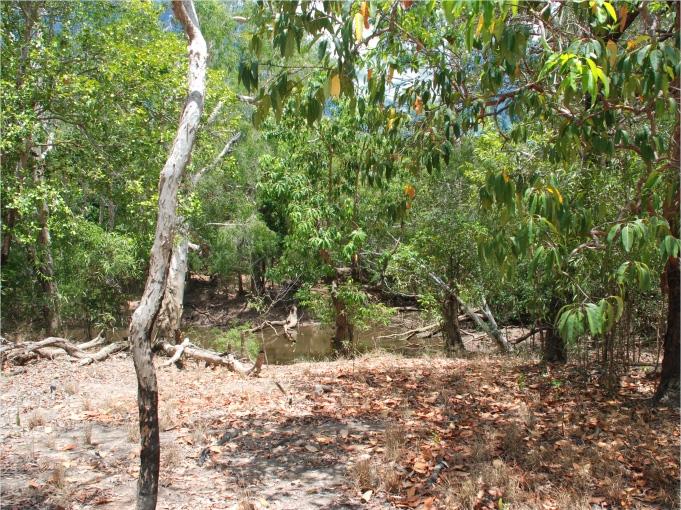
Melanotaenia splendida subsp. inornata inhabit the river systems of the Northern Territory and Queensland, which flow into the Arafura Sea and Gulf of Carpentaria from Darwin to Cape York Peninsula, extending down the east coast to around the Lockhart and Stewart Rivers. The Adelaide River is the furthest west that M. s. inornata has been recorded. They are frequently found in company with other rainbowfish species.
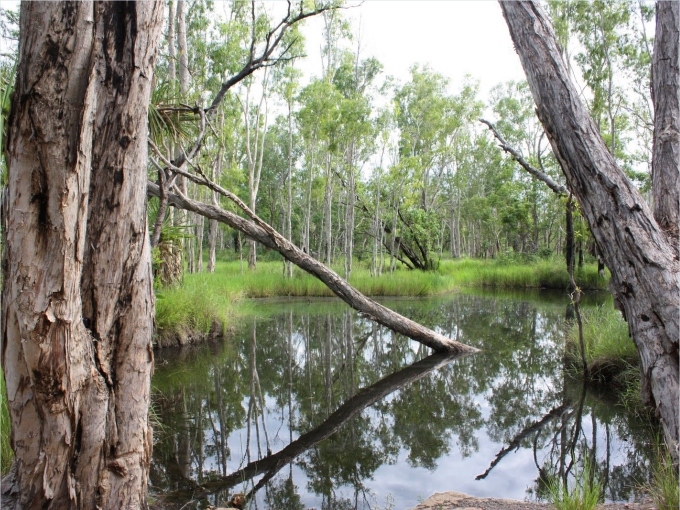
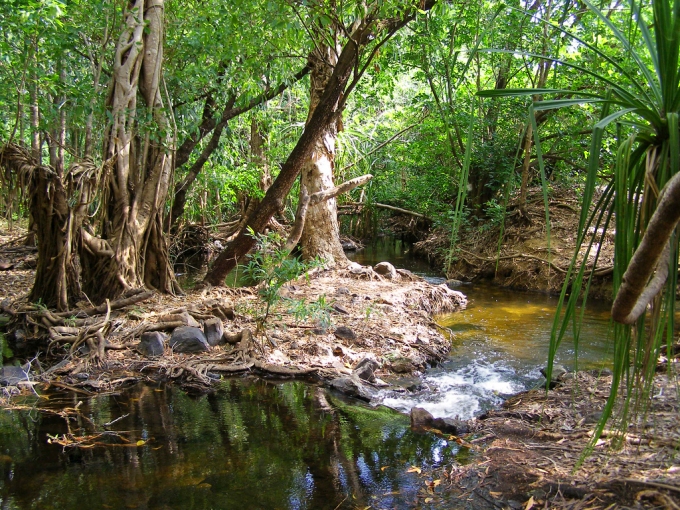
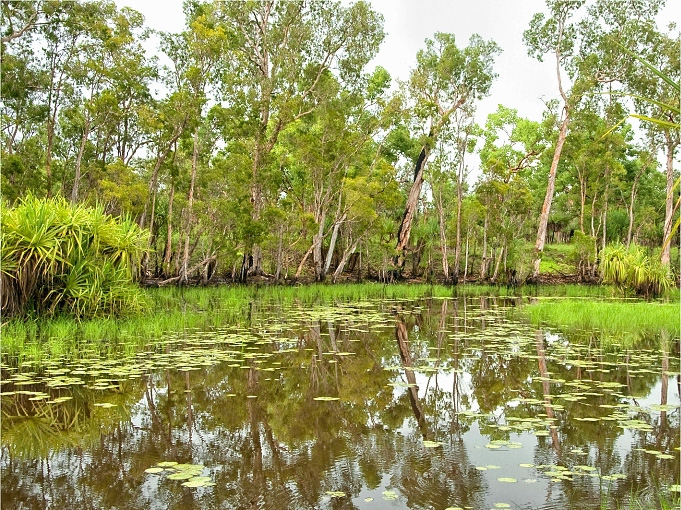
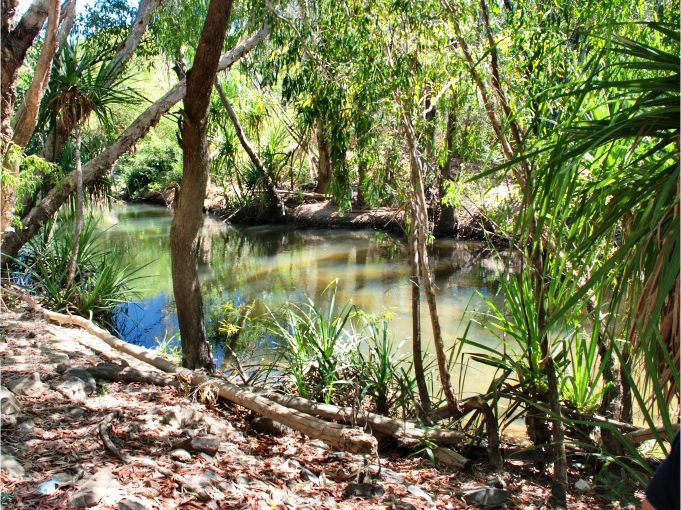
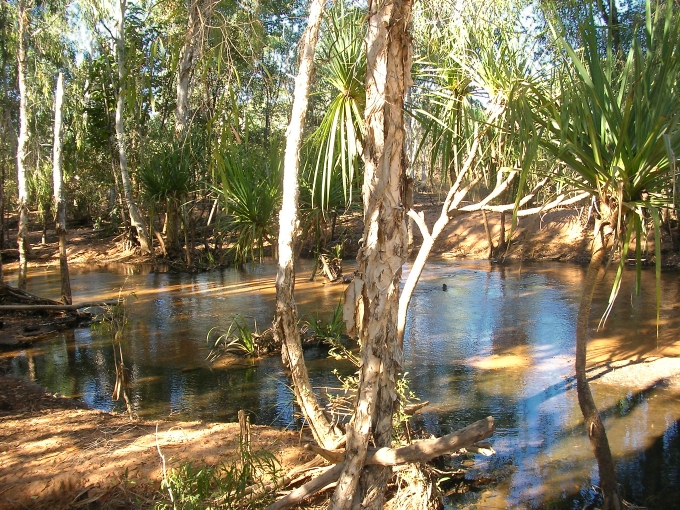
Melanotaenia s. inornata are tropical fish and are found in almost every kind of freshwater habitat, from slow-moving streams, wetland swamps, lagoons and clear flowing rivers.
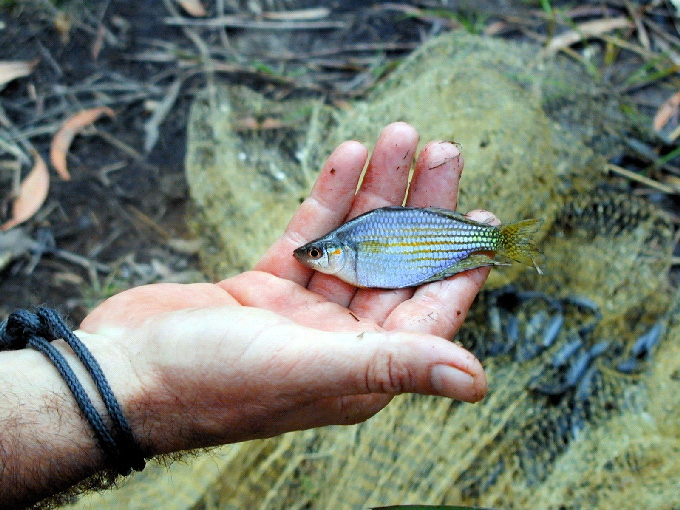
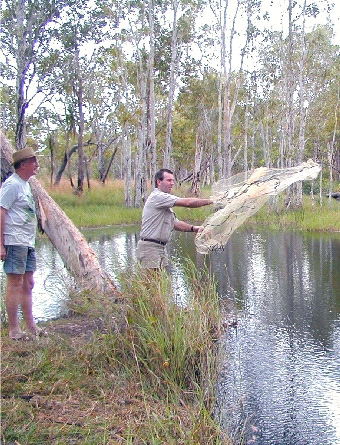
They are generally found in waters with moderately thick vegetation. A temperature range of 10–40° Celsius; pH 4.6– 8.5 and conductivity 2–220 µS/cm, has been recorded in their natural environment. This wide range of water conditions matches the wide distribution of the species. However, survival rates for M. s. inornata are known to decline sharply when the water temperature is high and will often die at temperatures above 36°C. Such increases in temperature are common in tropical waterbodies of Australia during the late dry season.
Odd varieties
Melanotaenia “Kambolgie Creek” “Ferny Creek”
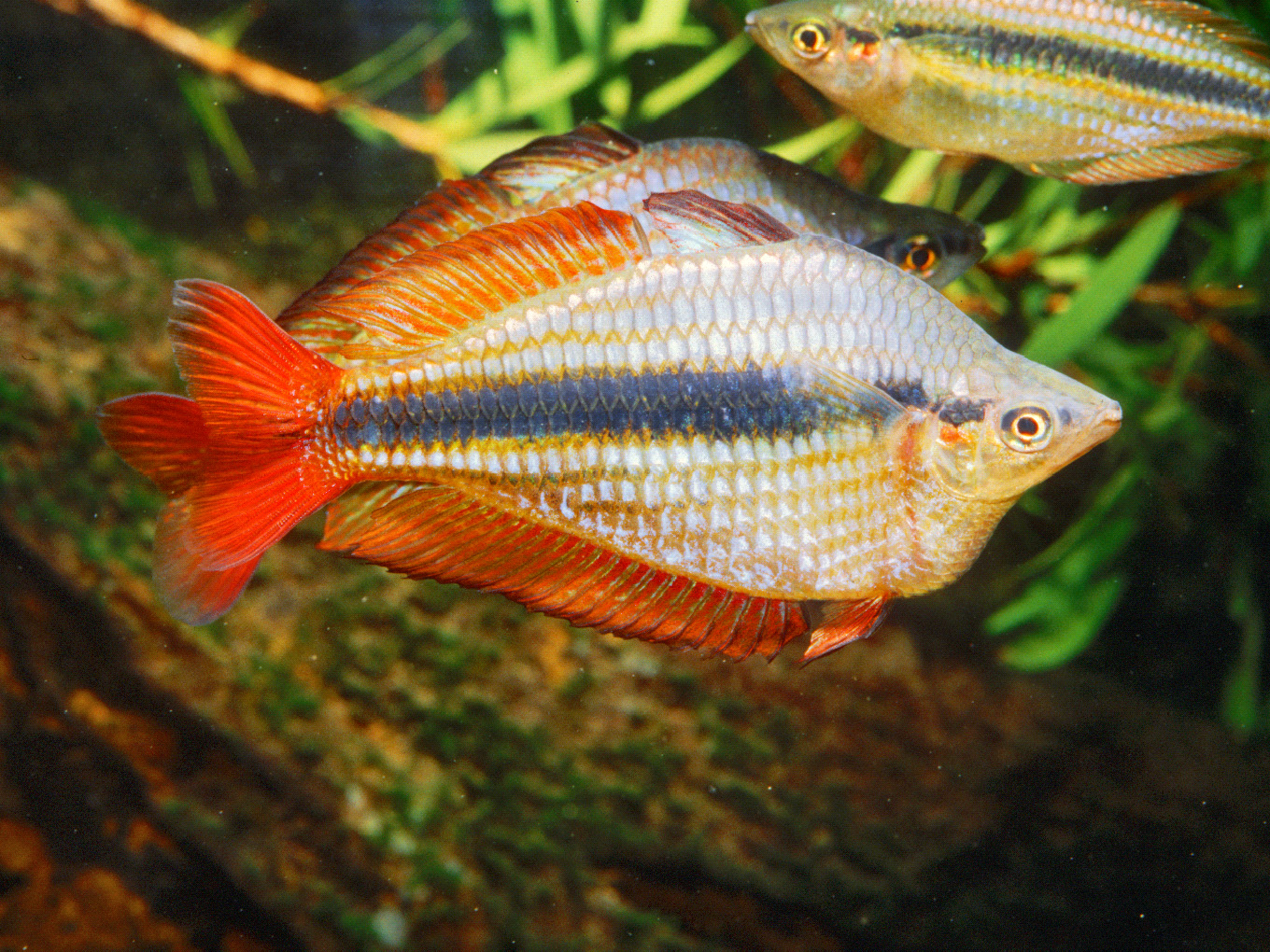
The Kambolgie Creek rainbowfish was originally collected by Gunther Schmida and Jürgen Clasen in 1983. The typographical map they had at the time showed very little detail and the location was assumed to be Kambolgie Creek (Gunther Schmida pers. comm., 2010). This assumption has been perpetuated throughout the following years. A number of collections have been made by various people from the same location, including professional collectors Peter Hurley, John Doley and Bill Boustead (Dave Wilson pers. comm., 2010). John Doley later went on to propagate large quantities of this species. The image above shows some of my Kambolgie Creek population that were bred from fish originally obtained from John Doley in 1994. They are full-grown adults at about 4 years of age.
This rainbowfish is also sometimes referred to as M. australis or M. solata. Nevertheless, this form appears to be a naturally introgressed population of M. splendida inornata (Peter Unmack pers. comm., 2010) with M. exquisita (Zhu et al., 1994; McGuigan et al., 2000), which probably dates back several thousand years or more.
However, most of the rainbowfishes known in the aquarium hobby as “Kambolgie Creek” actually comes from Ferny Creek. Ferny Creek is an upper tributary stream within the Kambolgie Creek system. Kambolgie Creek crosses the road to Gunlom Falls on its way to joining the South Alligator River. The rainbowfishes reportedly collected from Kambolgie Creek are the “standard” M. splendida inornata form (Gunther Schmida; Dave Wilson pers. comm., 2010). Nevertheless, species composition in a given habitat can vary from season to season, and from year to year.
Colour variability in rainbowfishes has been a source of confusion to both aquarists and biologists studying their life history. Populations of almost every river system they occupy have their own distinctive body colour and pattern. This colour variability is often related to habitat conditions. Colour can also vary considerably between upstream and downstream populations in the same river system. Particularly where there are waterfall barriers which prevent the natural dispersal of rainbowfishes.
Rainbowfishes show a complex colour polymorphism and we couldn’t reasonably expect evolution or ecology to have resulted in a neat, uncomplicated, uniform species. I like to think that rainbowfishes exist in nature as unique populations irrespective of the scientific name they carry.
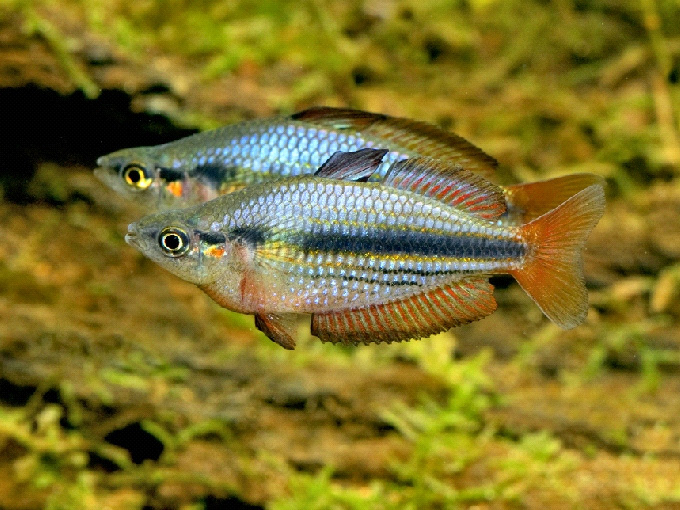
Melanotaenia Upper Katherine River
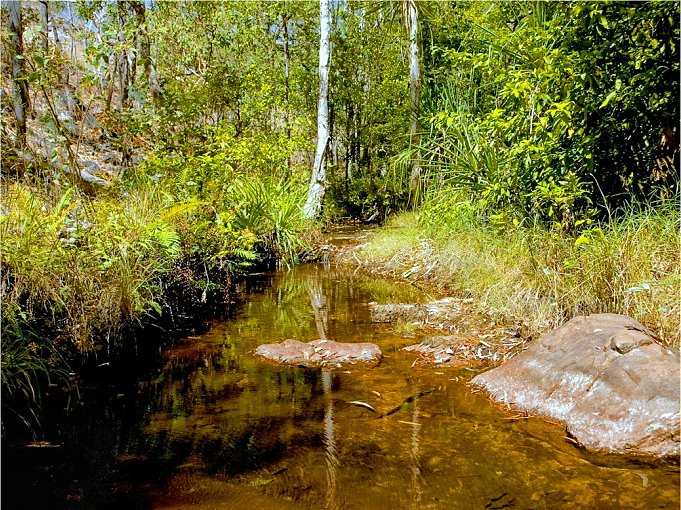
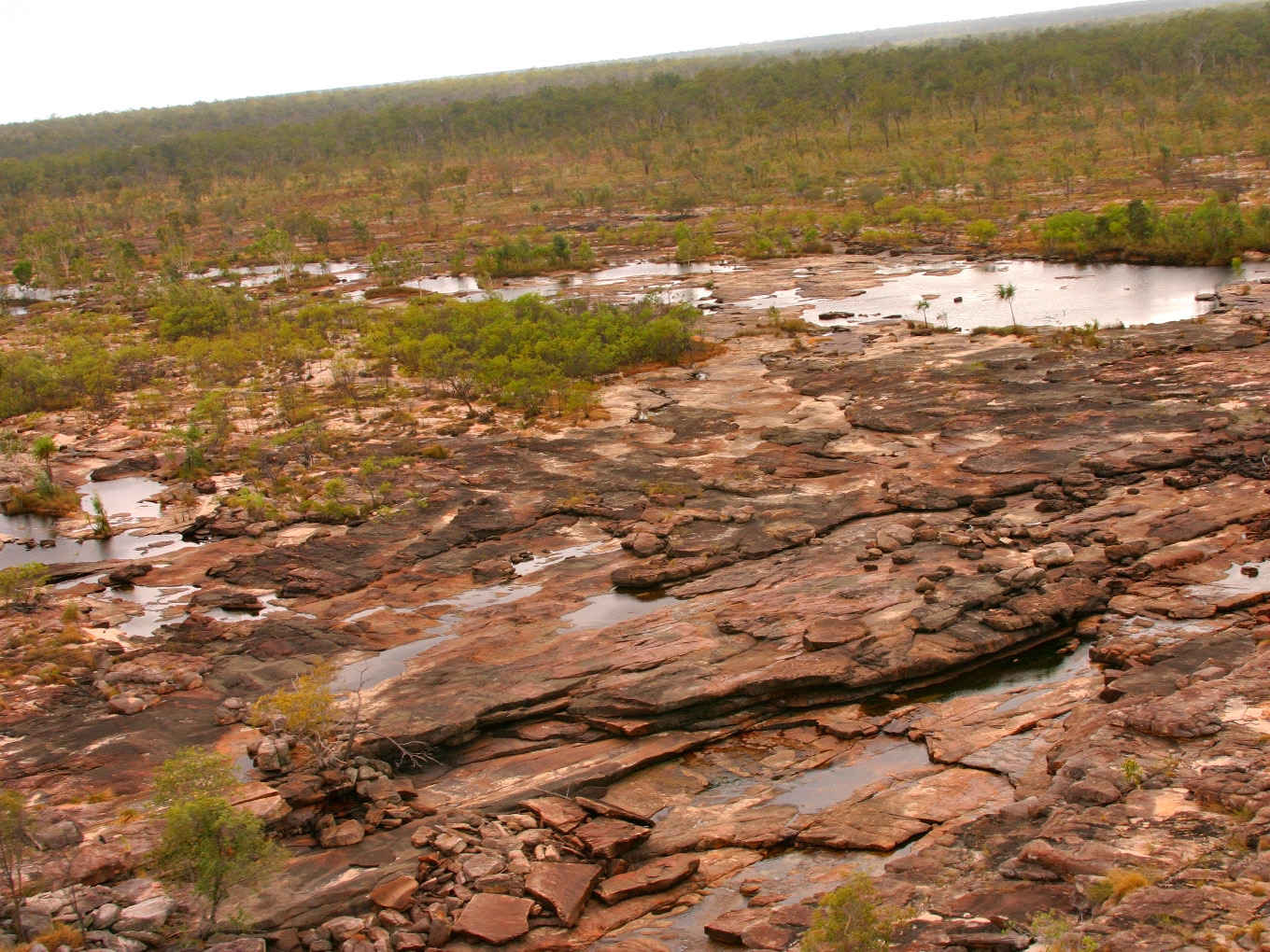
This population was first collected in 2009 from the headwaters of the Katherine River in the Northern Territory, located on the top of the Arnhem Land Escarpment. Originally thought to be M. australis, the common rainbowfish throughout this river system, they were later identified using genetics to be M. s. inornata, but with some admixture from M. australis and M. exquisita. The fish have moved across from the adjacent headwaters of the Roper River, with several exchanges of rainbowfishes in both directions having occurred in the past in different places.
Melanotaenia solata
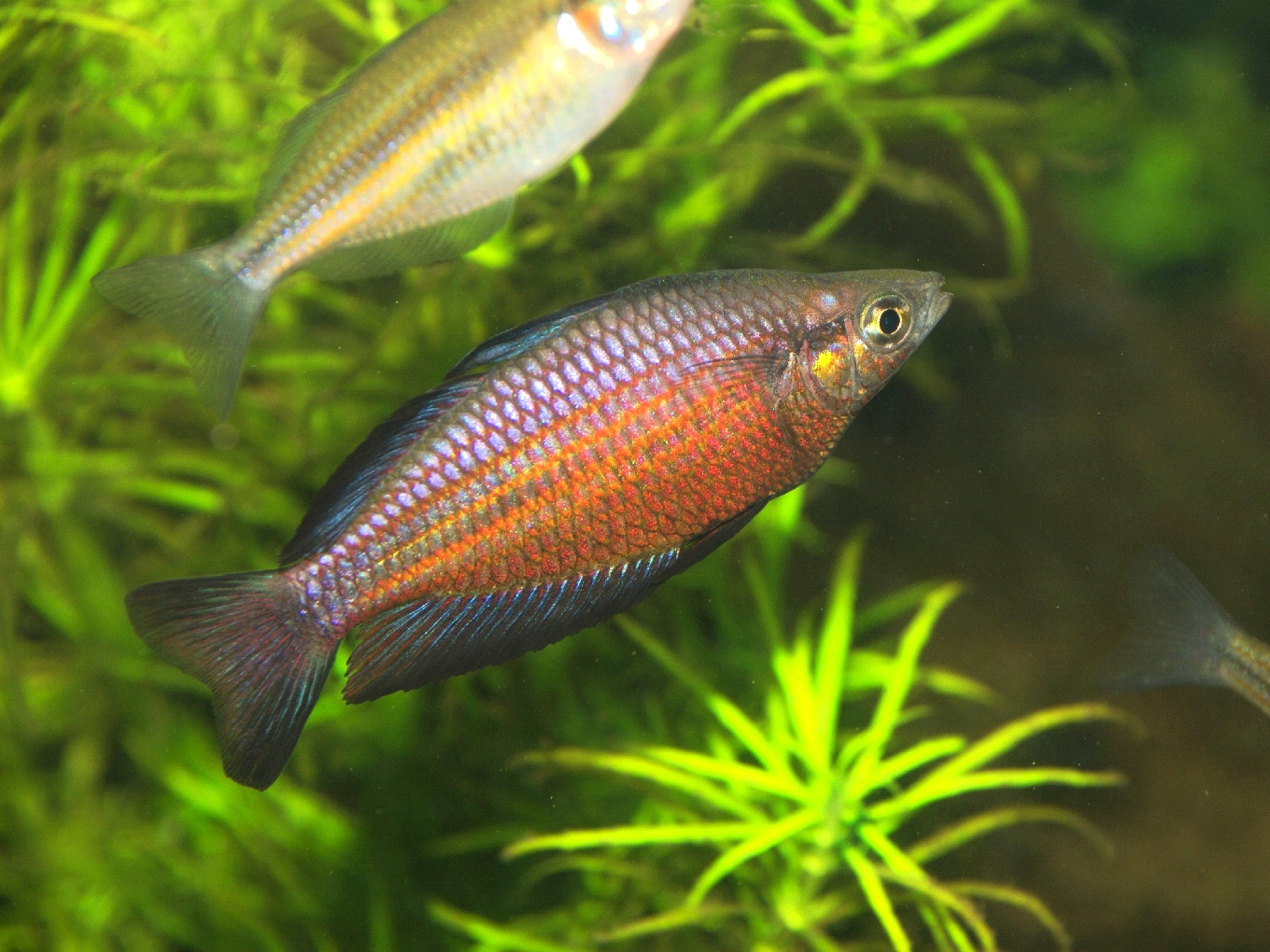
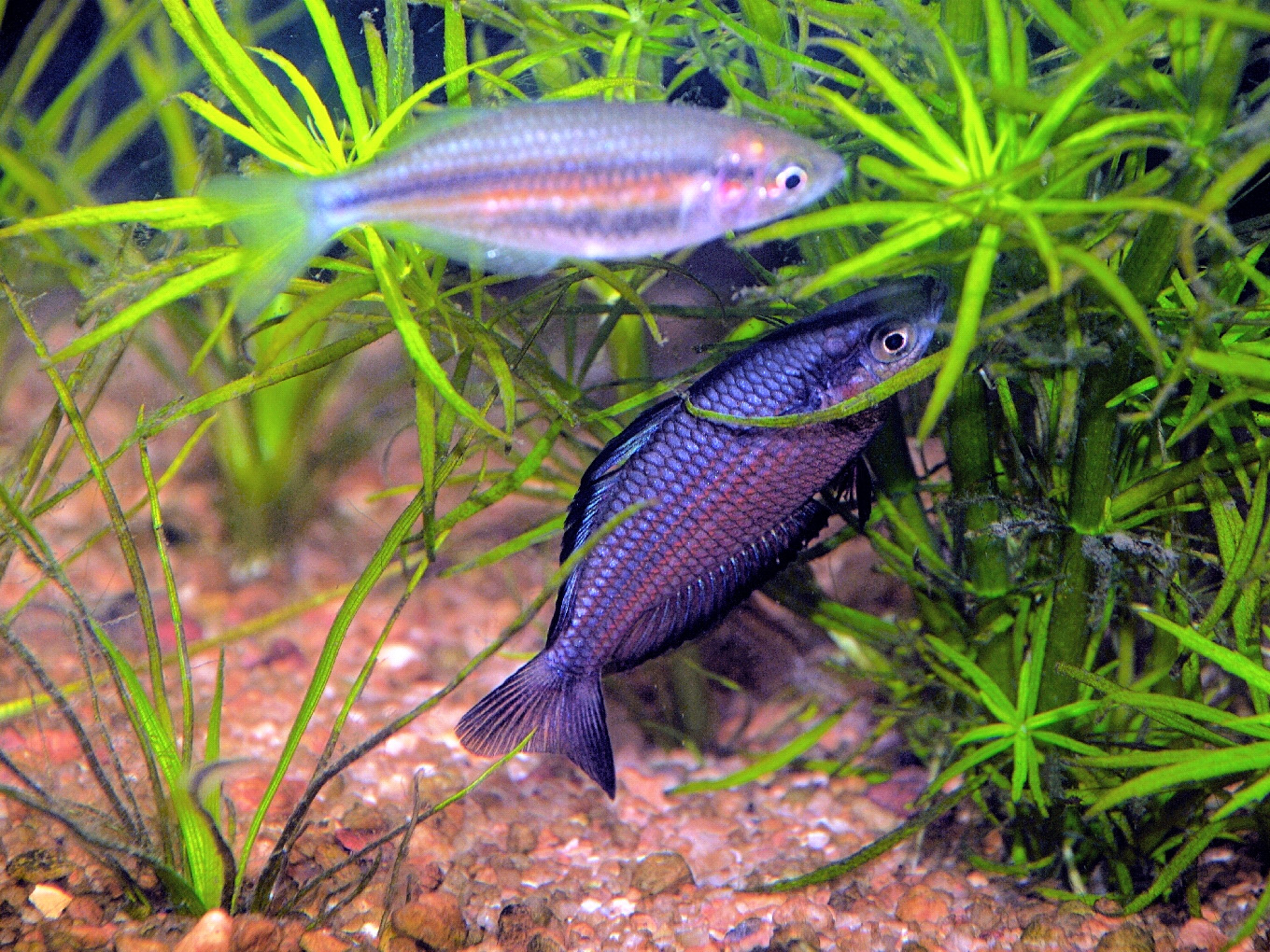
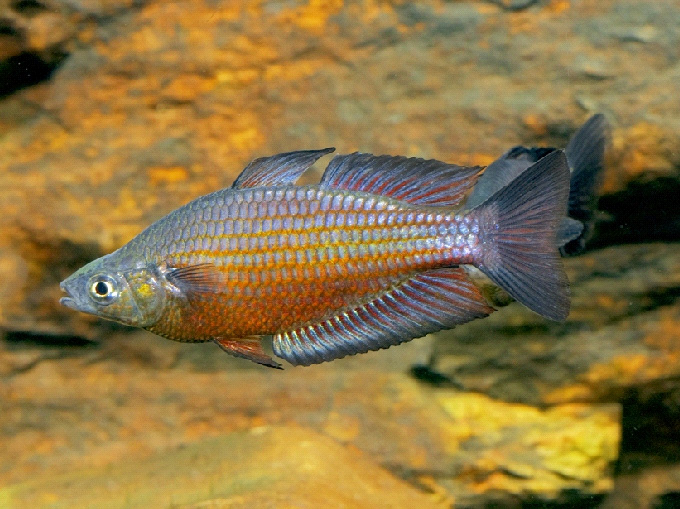
Melanotaenia solata was described by William R. Taylor in 1964 from specimens collected in 1948 from Groote Eylandt, Bickerton Island, and a creek near Yirrkala. Allen & Cross (1982) originally placed them into synonymy with M. australis, but noted that M. australis was very difficult to separate from M. s. inornata. Allen et al. (2002) later mistakenly elevated M. solata from M. australis on the basis of the genetic results of McGuigan et al. (2000) for individuals from Ferny Creek (see above for details about this population). Later genetic work demonstrated that fish from Groote Eylandt and Ferny Creek should be called M. s. inornata.
References
- Allen G.R. (1978) Chasing Rainbows. Tropical Fish Hobbyist, 26(April): 89-98.
- Allen G.R. (1978) The Rainbowfishes of northwestern Australia. (Family Melanotaeniidae). Tropical Fish Hobbyist 26(April): 91-102.
- Allen G.R. (1980) A Generic Classification of the Rainbowfishes (Family Melanotaeniidae). Records of the Western Australian Museum 8(3): 449-490.
- Allen G.R., S.H. Midgley and M. Allen (2002) Freshwater Fishes of Australia. Western Australian Museum.
- Allen G.R. & N.J. Cross (1982) Rainbowfishes of Australia and Papua New Guinea. T.F.H. Publications.
- Beumer J.P. (1979) Reproductive cycles of two Australian freshwater fishes, the spangled perch, Therapon unicolor Gunther, 1895 and the east Queensland rainbowfish Nematocentris splendida Peters 1866. Journal of Fish Biology 15: 111-34.
- Bishop K.A., S.A. Allen, D.A. Pollard and M.G. Cook (2001) Ecological studies on the freshwater fishes of the Alligator Rivers Region, Northern Territory; Autecology. Supervising Scientist Report 145, Supervising Scientists, Darwin.
- Castelnau F.L. (1875) Researches on the fishes of Australia. Philadelphia Centennial Exhibition of 1876. Intercolonial Exhibition Essays, 1875-6. Researches on the fishes of Australia No. 2: 1-52.
- Crowley L.E.L.M. & W. Ivantsoff (1982) Reproduction and early stages of development in two species of Australian rainbowfishes Melanotaenia nigrans (Richardson) and Melanotaenia splendida inornata (Castelnau). Australian Zoology 21(1): 85-95.
- Ivantsoff W., L.E.L.M. Crowley, E. Howe and G. Semple (1988) Biology and early development of eight fish species from the Alligator Rivers Region. Technical memorandum 22, Supervising Scientist for the Alligator Rivers Region, AGPS, Canberra.
- McGuigan K., D. Zhu, G.R. Allen & C. Moritz (2000) Phylogenetic relationships and historical biogeography of melanotaeniid fishes in Australia and New Guinea. Marine and Freshwater Research 51(7): 713-723.
- Pearce M. (1990) Red Spot. Fishnote. 1/5/1990. NT Department of Primary Industries and Fisheries.
- Skidmore J.F. & I.C. Firth (1983) Prediction of the toxicity of heavy metals to Australian aquatic animals. Paper 63 in Environmental Protection in the Alligator Rivers Region. A scientific workshop held at Jabiru, NT, 17-20 May. Supervising Scientist for the Alligator Rivers Region.