
Melanotaenia trifasciata
Regal Rainbowfish
Synonymy
- Rhombosoma trifasciata Rendahl, 1922
- Melanotaenia trifasciata Allen, 1980
Species Summary
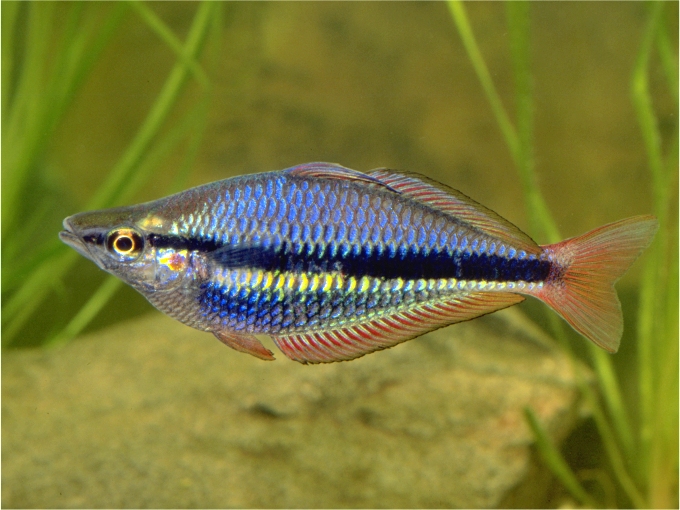
Melanotaenia trifasciata was collected in June 1894 (Port Darwin) by Knut Dahl, a Norwegian Zoologist. The species description was published in 1922 by Hialmar Rendahl, on the basis of one single specimen from the Mary River, in the Northern Territory. Why he proposed the name trifasciata, meaning literally “three-banded”, is not very obvious when you look at live specimens. However, it becomes clear when you bear in mind that Rendahl only knew this one museum specimen caught more than 20 years earlier. He described the colours as follows:
The ground-colour of the fish is (in spirits) a light brown. Along the sides of the body, occupying the adjacent two-thirds of the scales, there is a broad blackish brown bar on the 5th and 6th longitudinal rows of the scales. ... On both sides, this dark bar is (except on the head) bordered by a very obvious light (in alcohol whitish), bar, the ventral of which is the broadest and about half the width of the dark one. ”
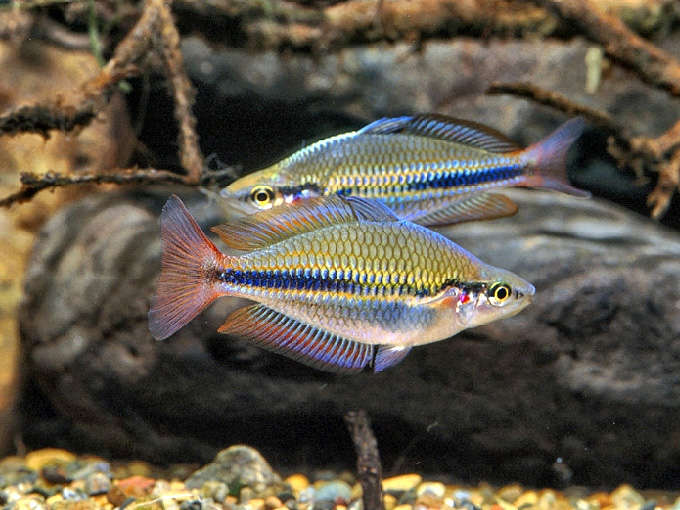
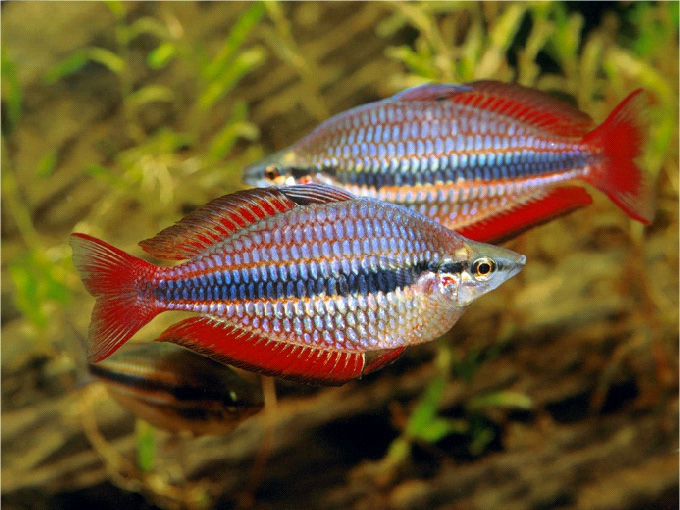
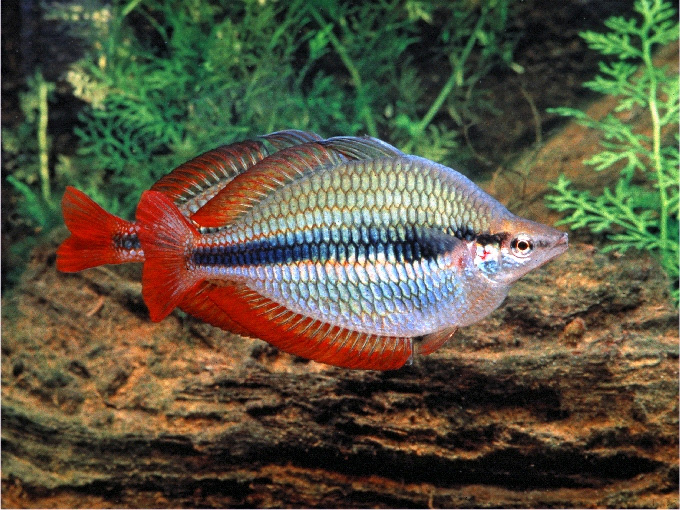
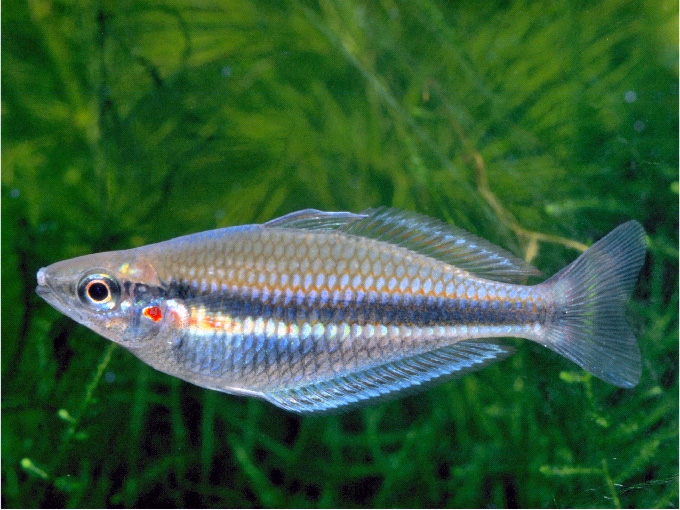
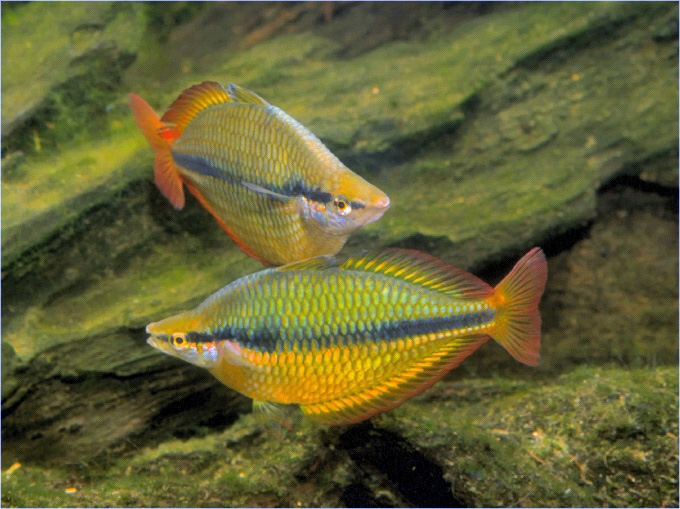
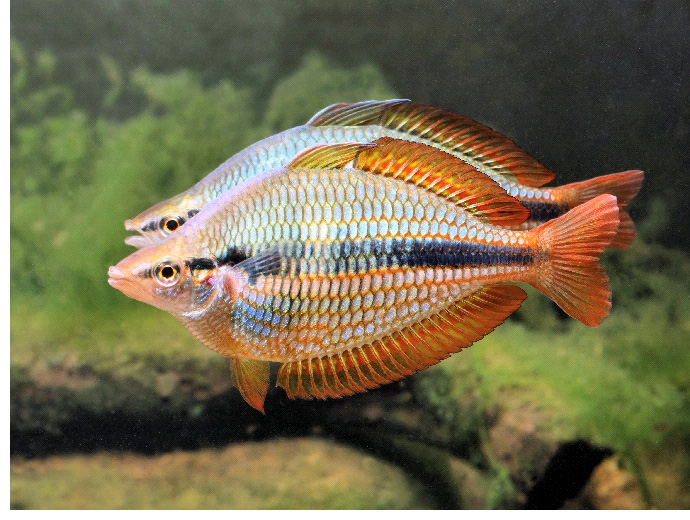
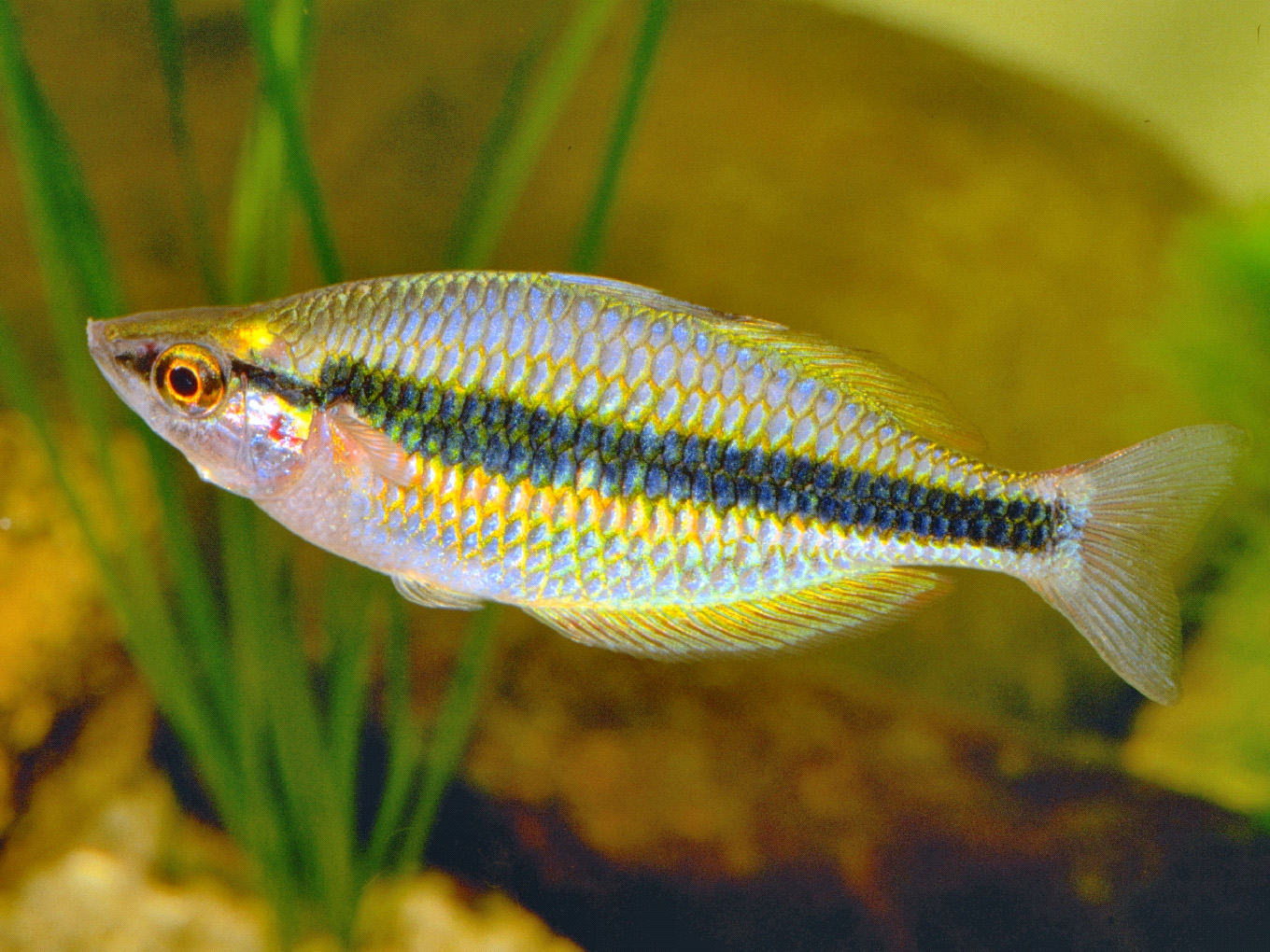
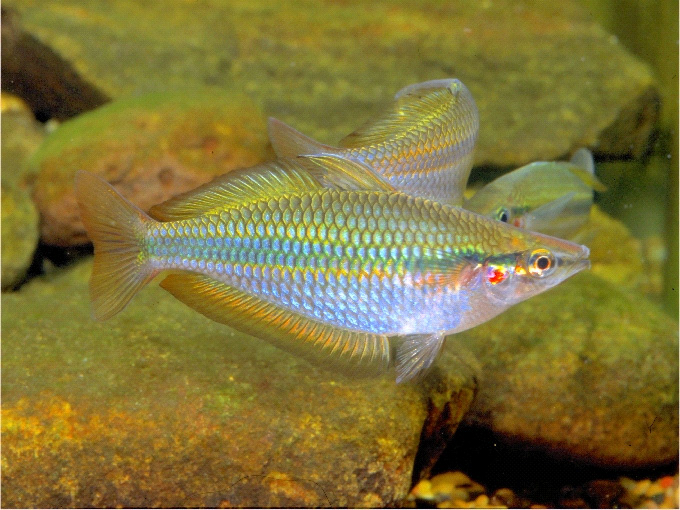
Melanotaenia trifasciata are commonly known as the Banded Rainbowfish. However, I think they should be called the “Regal Rainbowfish” because they are without doubt the most majestic rainbowfishes you will ever see.
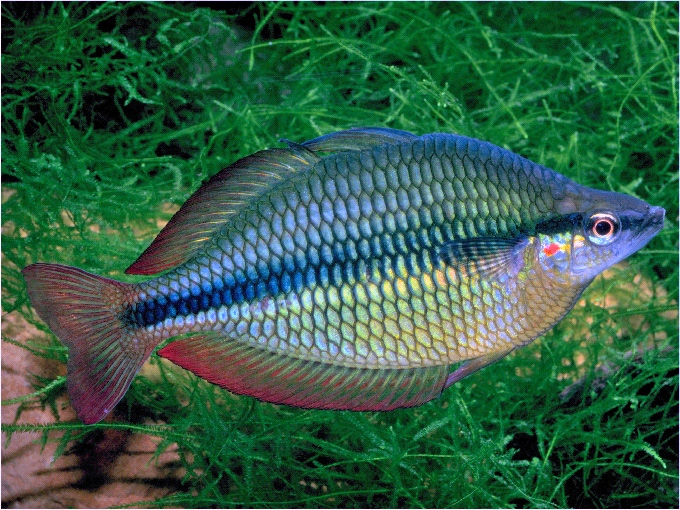
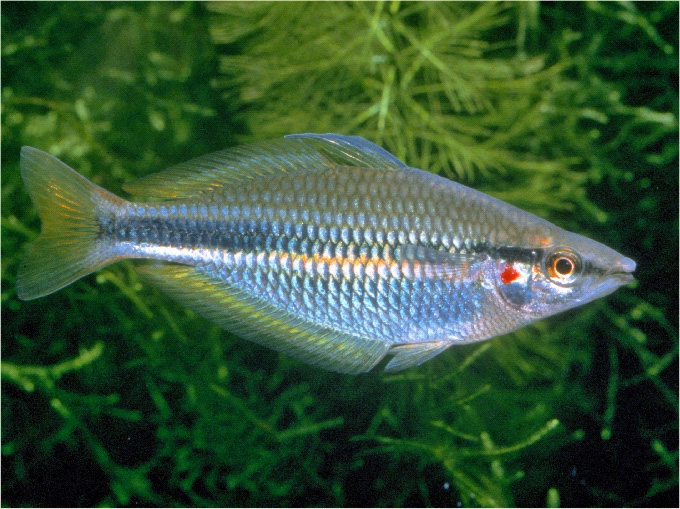
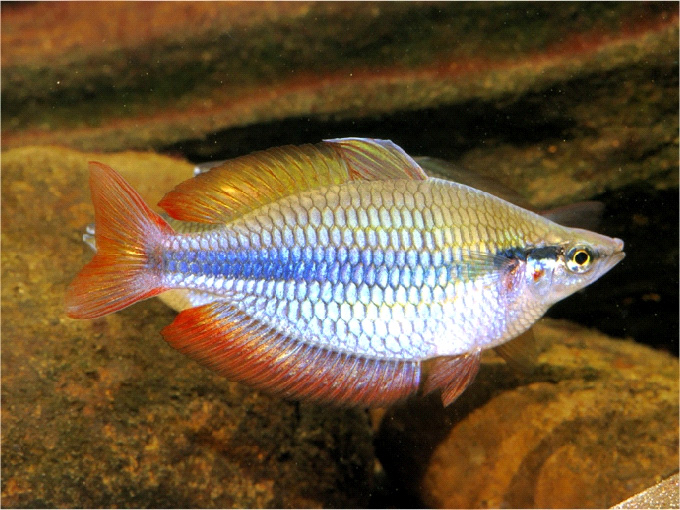
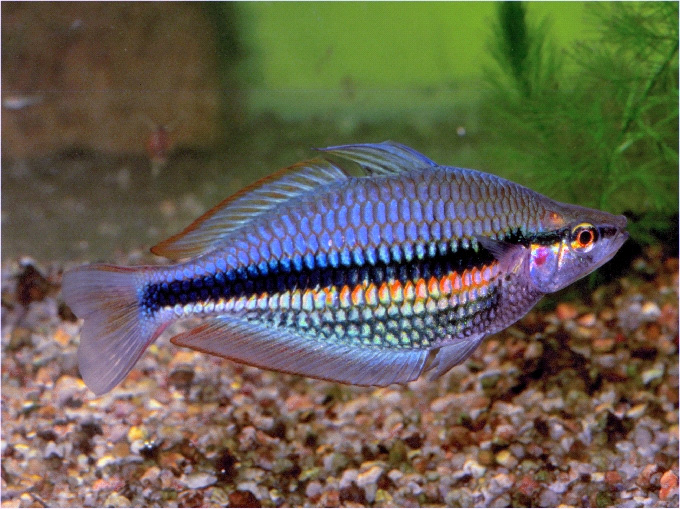
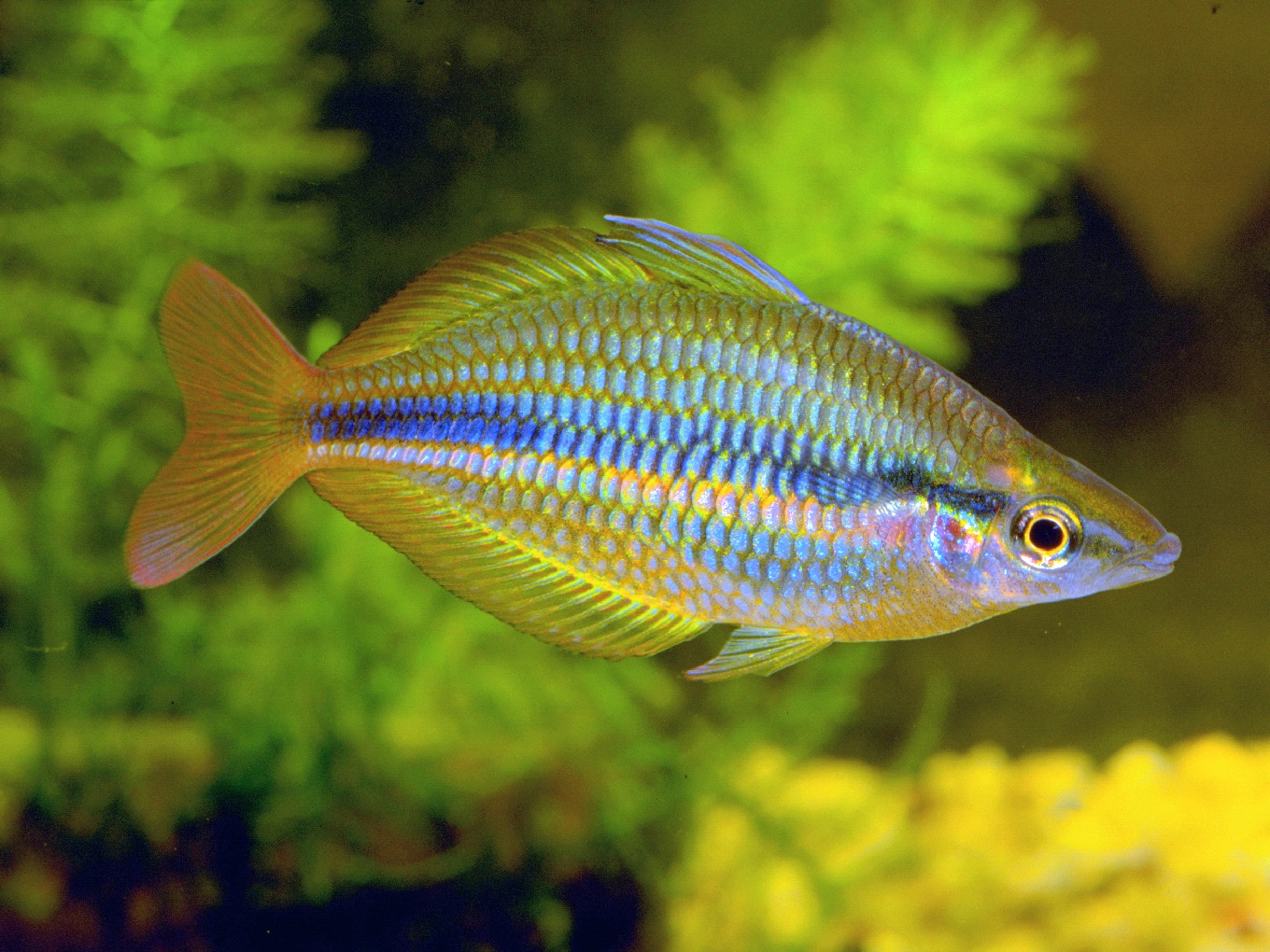
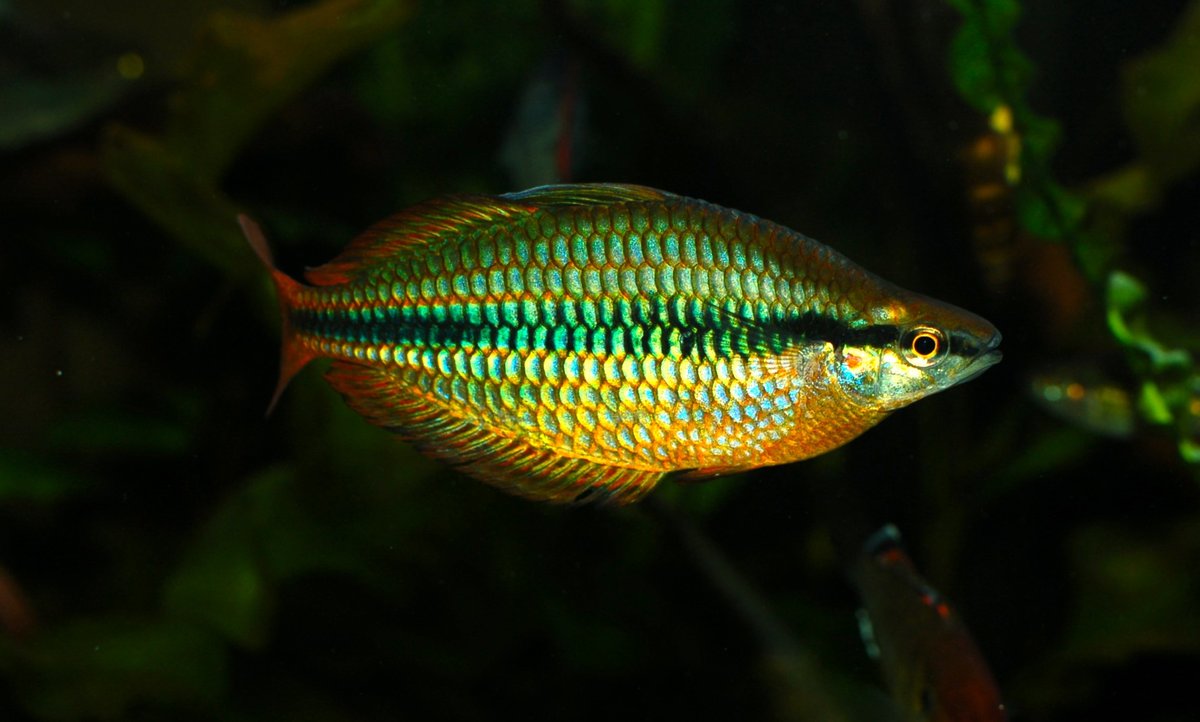
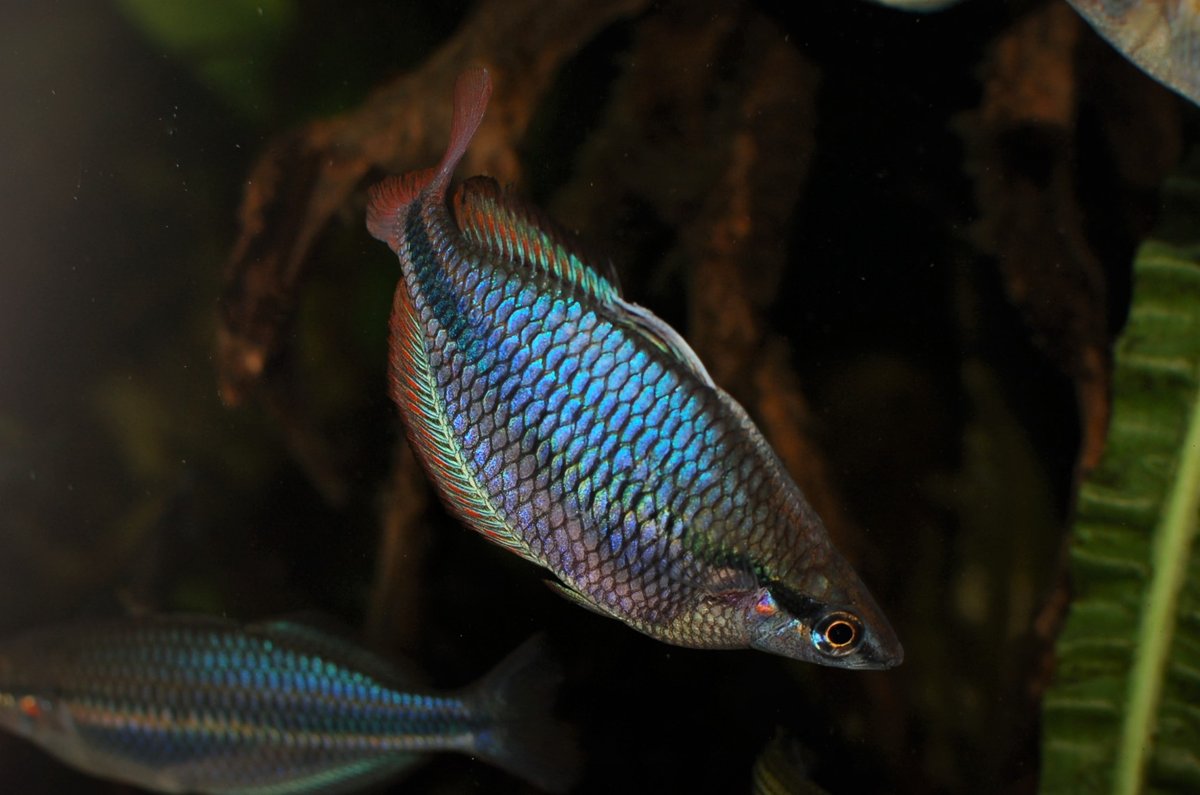
As with many rainbowfishes, the colouration of M. trifasciata is variable depending on location, water conditions and diet. Populations from almost every river system where they are found have their own distinctive body colour. Consequently, specific names usually based on the locality where each is found are used by rainbowfish enthusiasts to identify each variety.
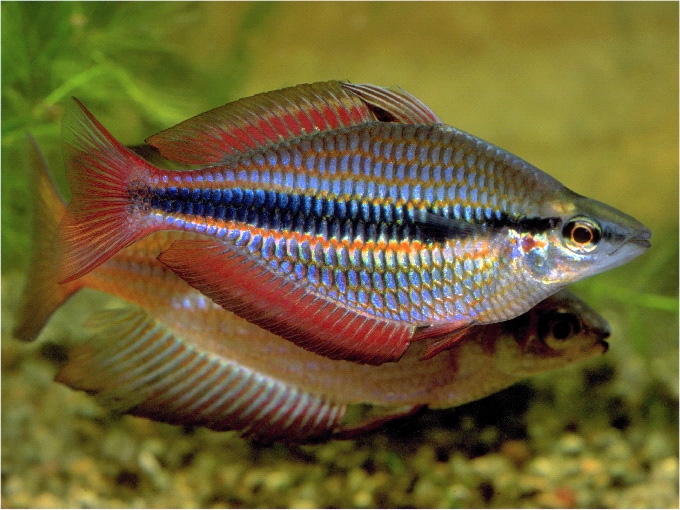
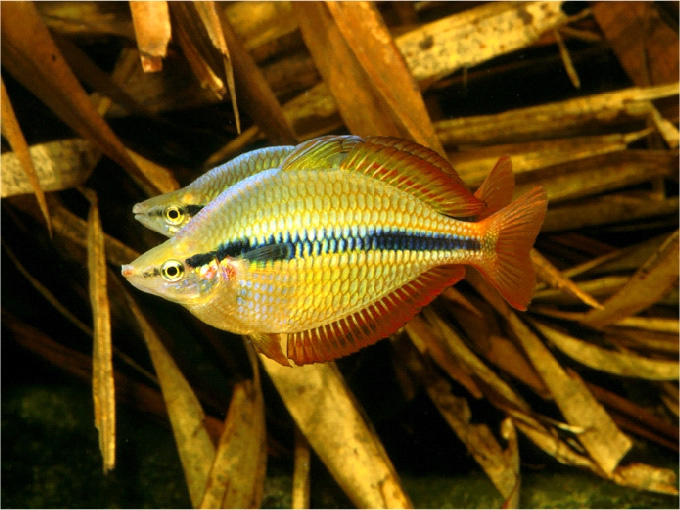
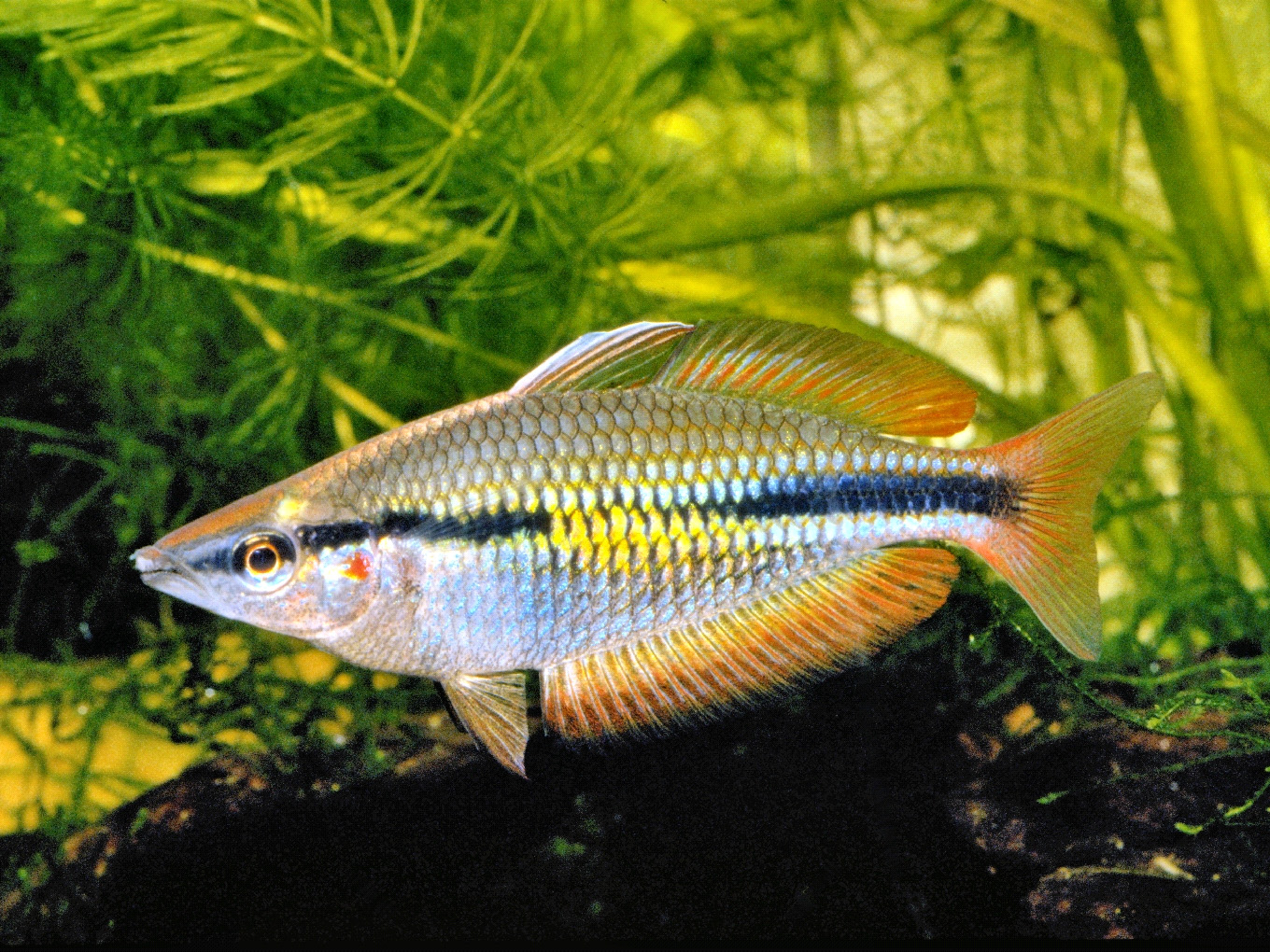
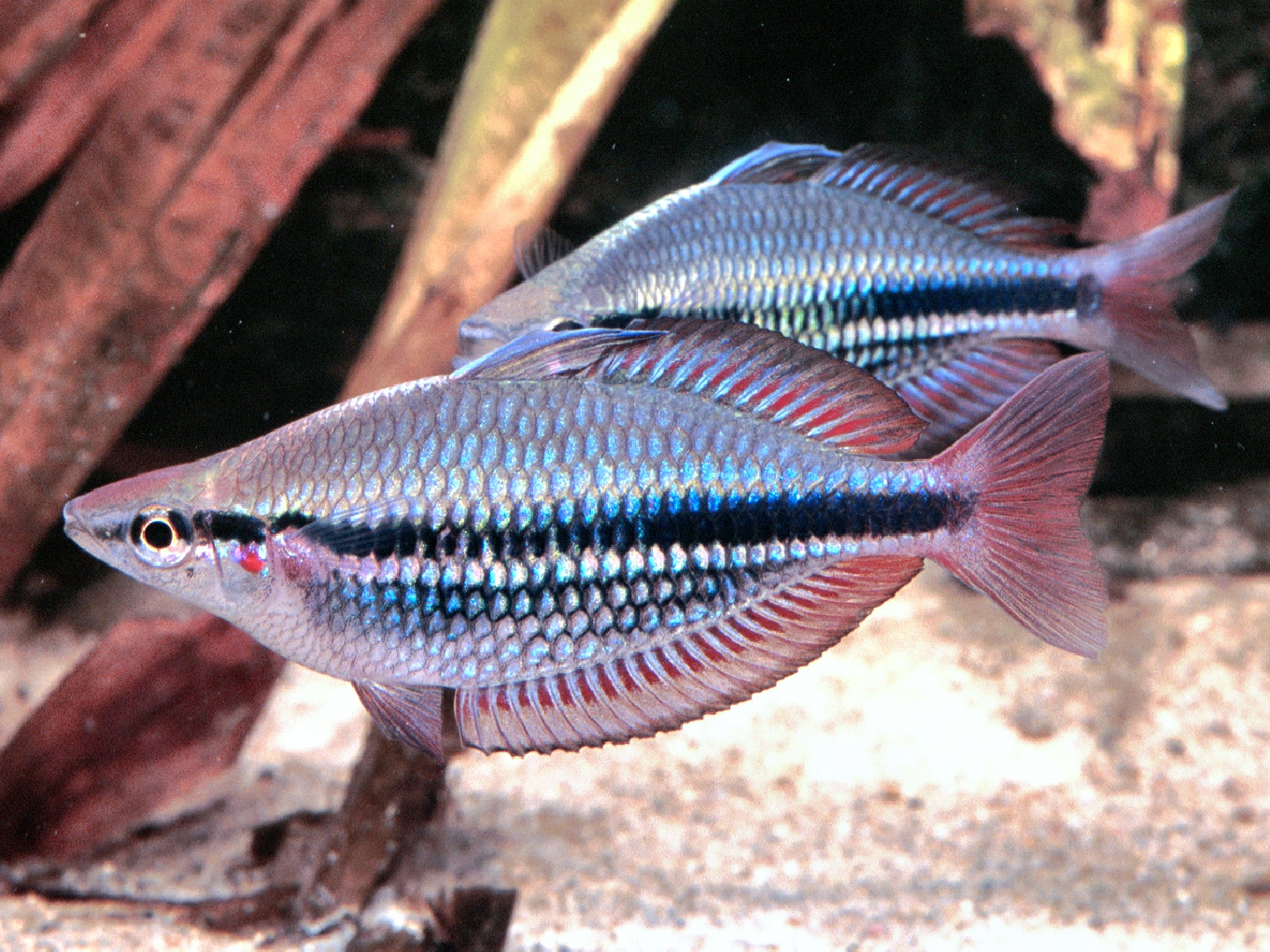
They can be recognised by a very deep body, usually deeper than 1/3 of their body length, and an often discontinuous black midlateral band. Males are more brightly coloured, larger, and much deeper bodied than females. Specimens found in a number of rivers in Queensland are more streamlined and do not have the deeper body shape of their counterparts from other river systems.
Melanotaenia trifasciata may reach a maximum size of 15 cm, but are usually less than 12 cm, with a body depth of 6–8 cm. Males are deeper bodied than females and the overall colour pattern of males is more intense. The vertical fins of females are either translucent or only faintly coloured compared to the brighter colours of males. These features become more obvious with increased growth.
Etymology
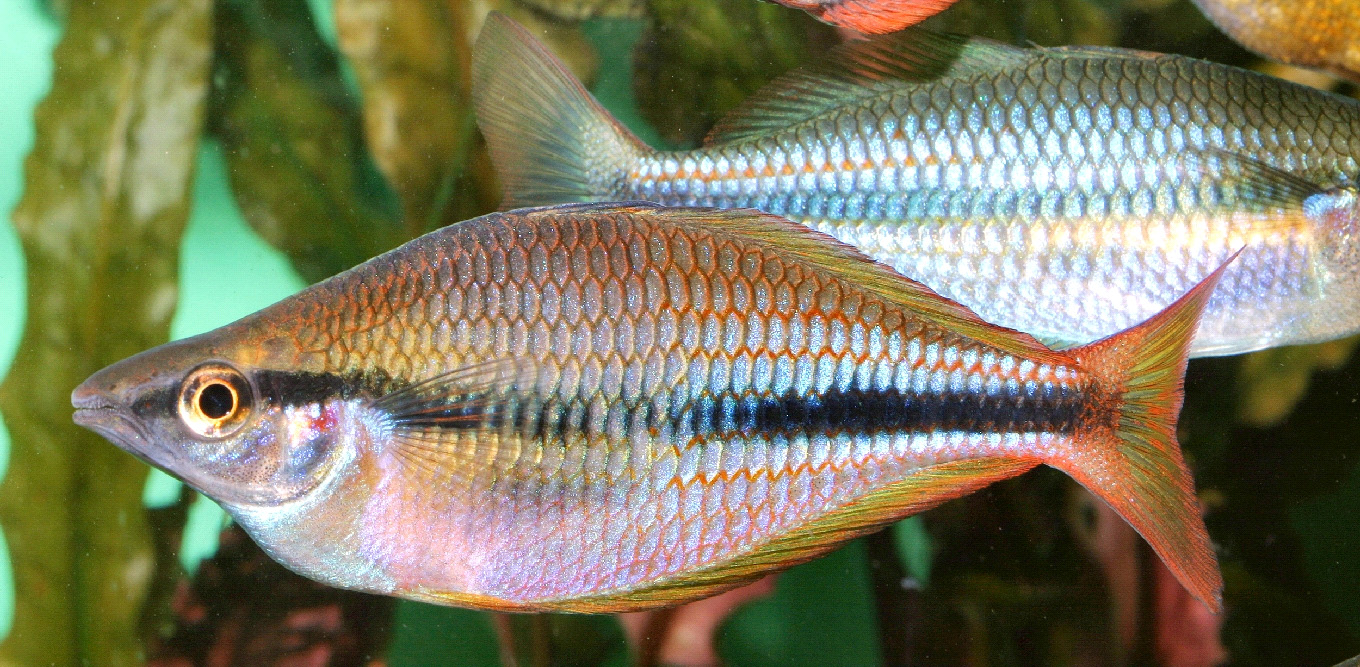
The species name trifasciata combines the Latin tri-, three, and fasciata, banded, referring to the broad blackish-brown band on the sides and the thin light-coloured bands directly above and below it.
Etymology compiled from C. Scharpf (2022), “Fishes of Sahul: An Etymological Survey (Part 5), the rainbowfishes (continued)”, Fishes of Sahul 36(4): 1968–1992, and etyfish.org.
Distribution & Habitat
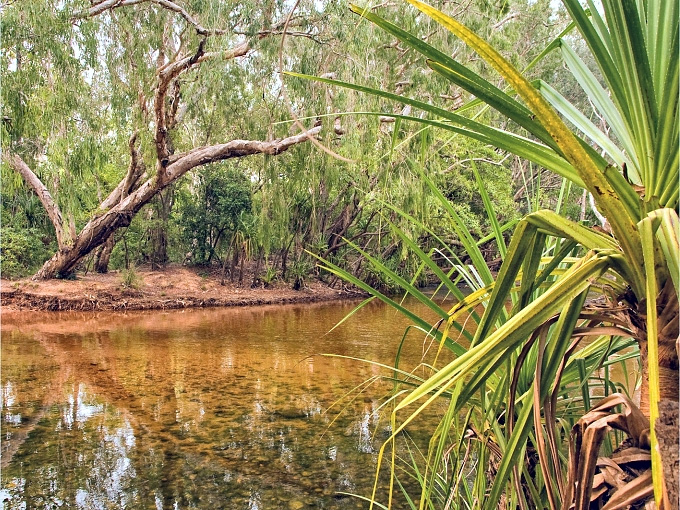
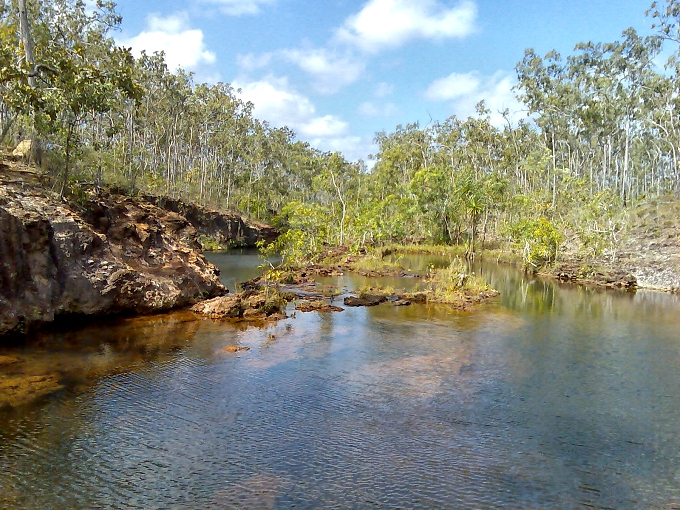
Melanotaenia trifasciata have a discontinuous distribution across northern Australia, from the Mary River in the Northern Territory, throughout Arnhem Land to Cape York Peninsula. In north Queensland they are found as far south as Gap Creek, north of the Bloomfield River. In 1989, some specimens were collected on Melville Island, the only offshore record thus far. Recent genetic studies suggest that M. trifasciata may also inhabit the Fly River and the Aru Islands (P. J. Unmack 2009, pers. comm.).
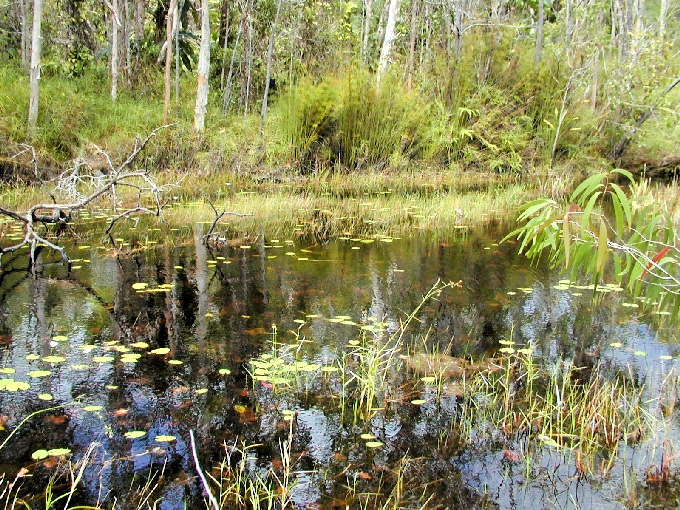
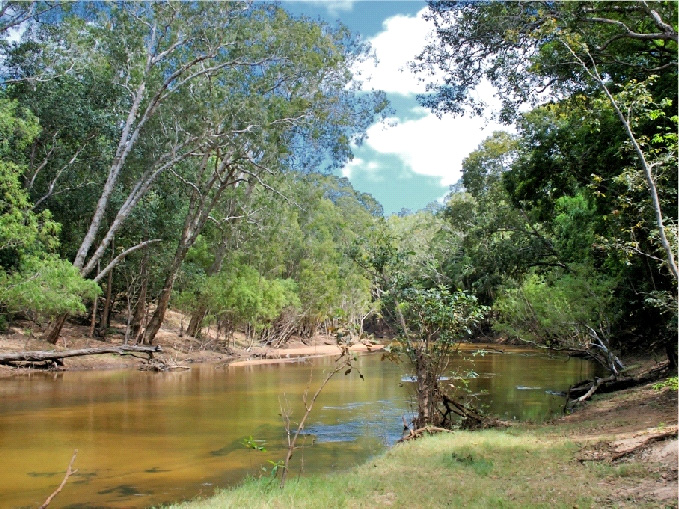
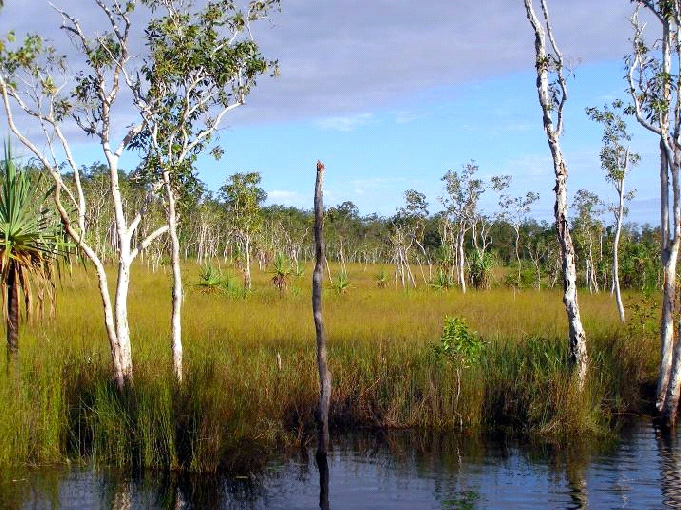
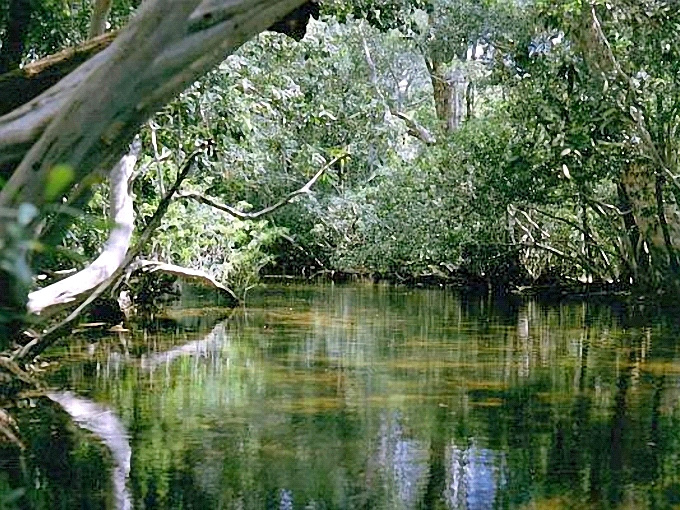
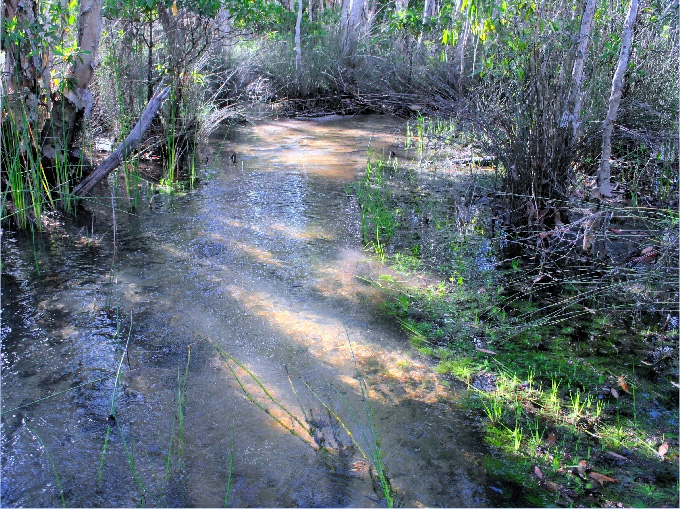
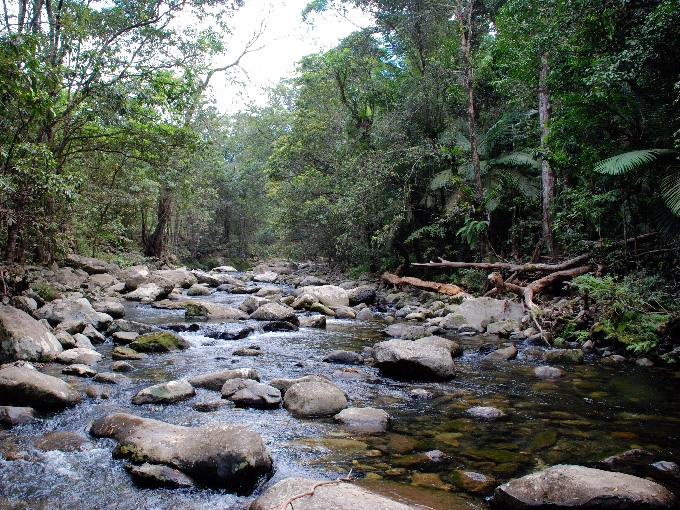
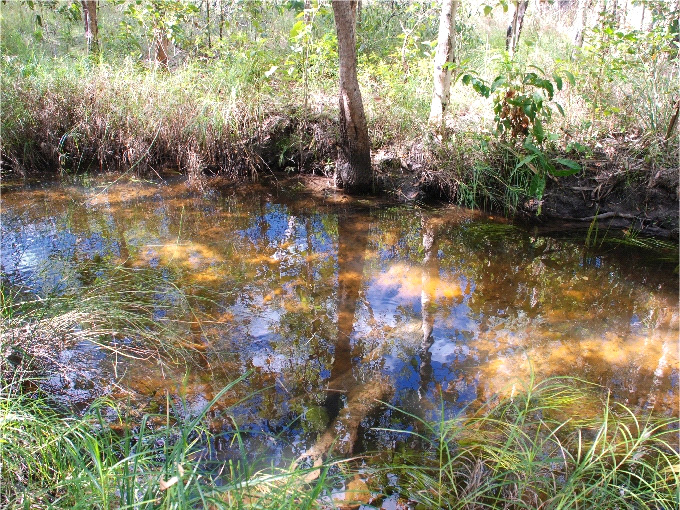
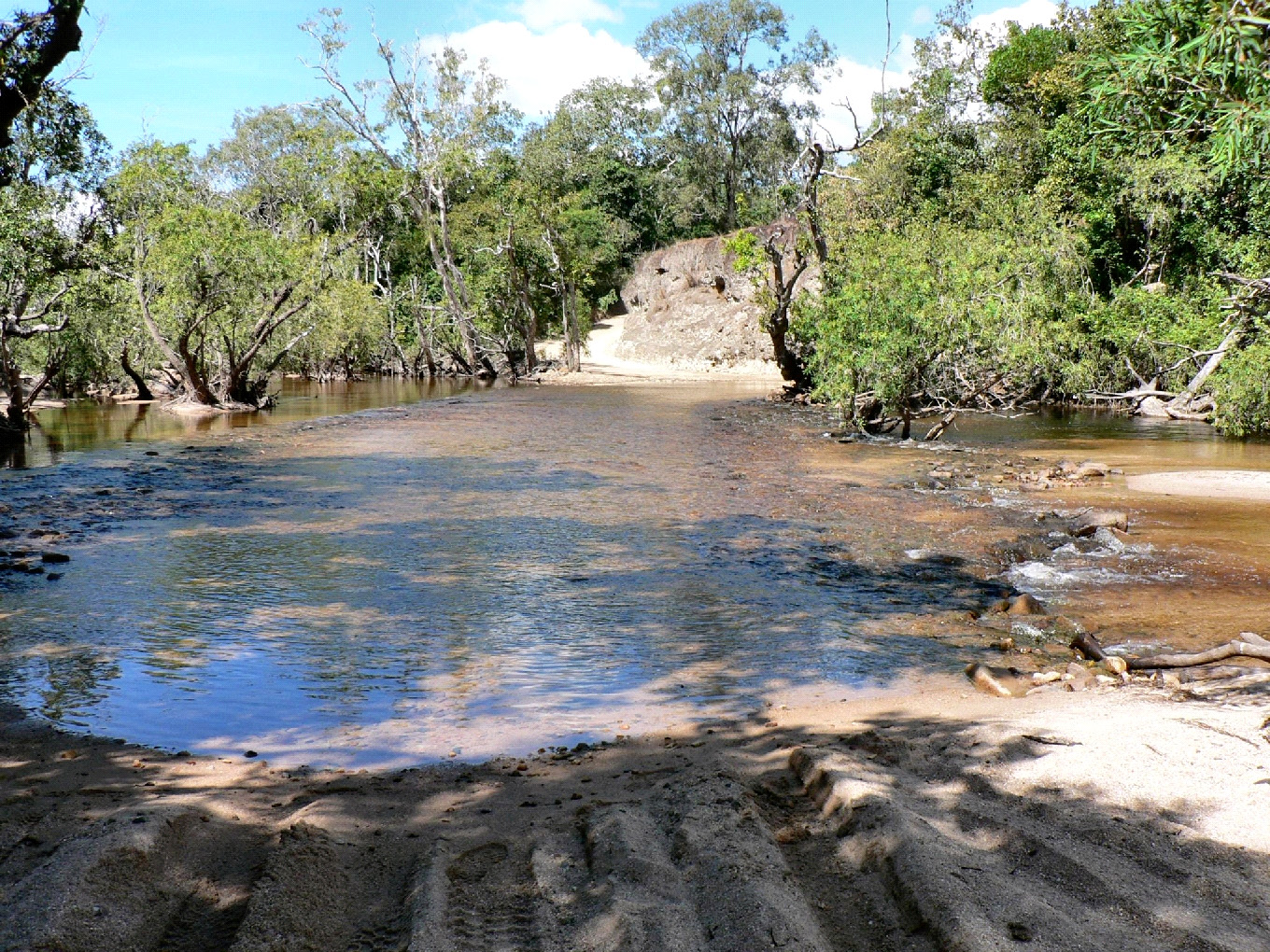
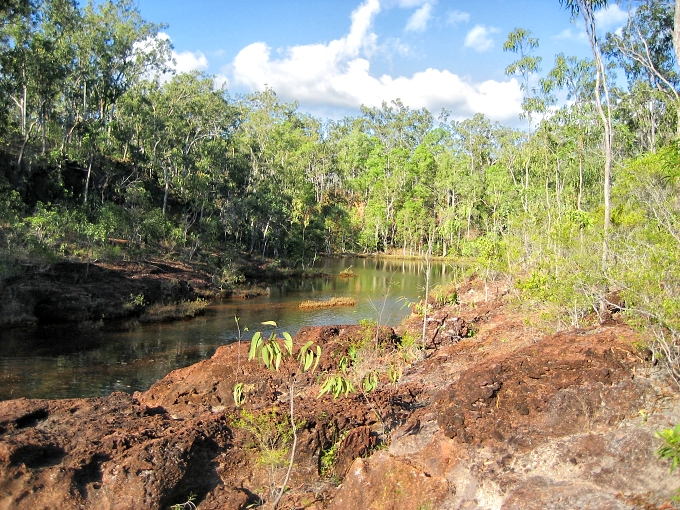
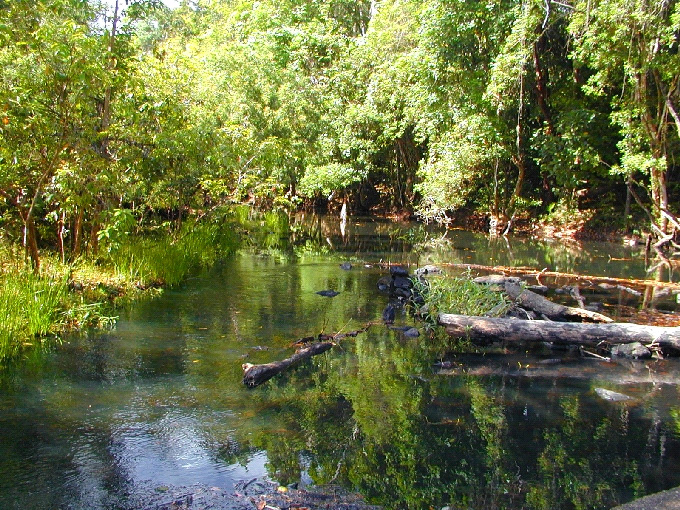
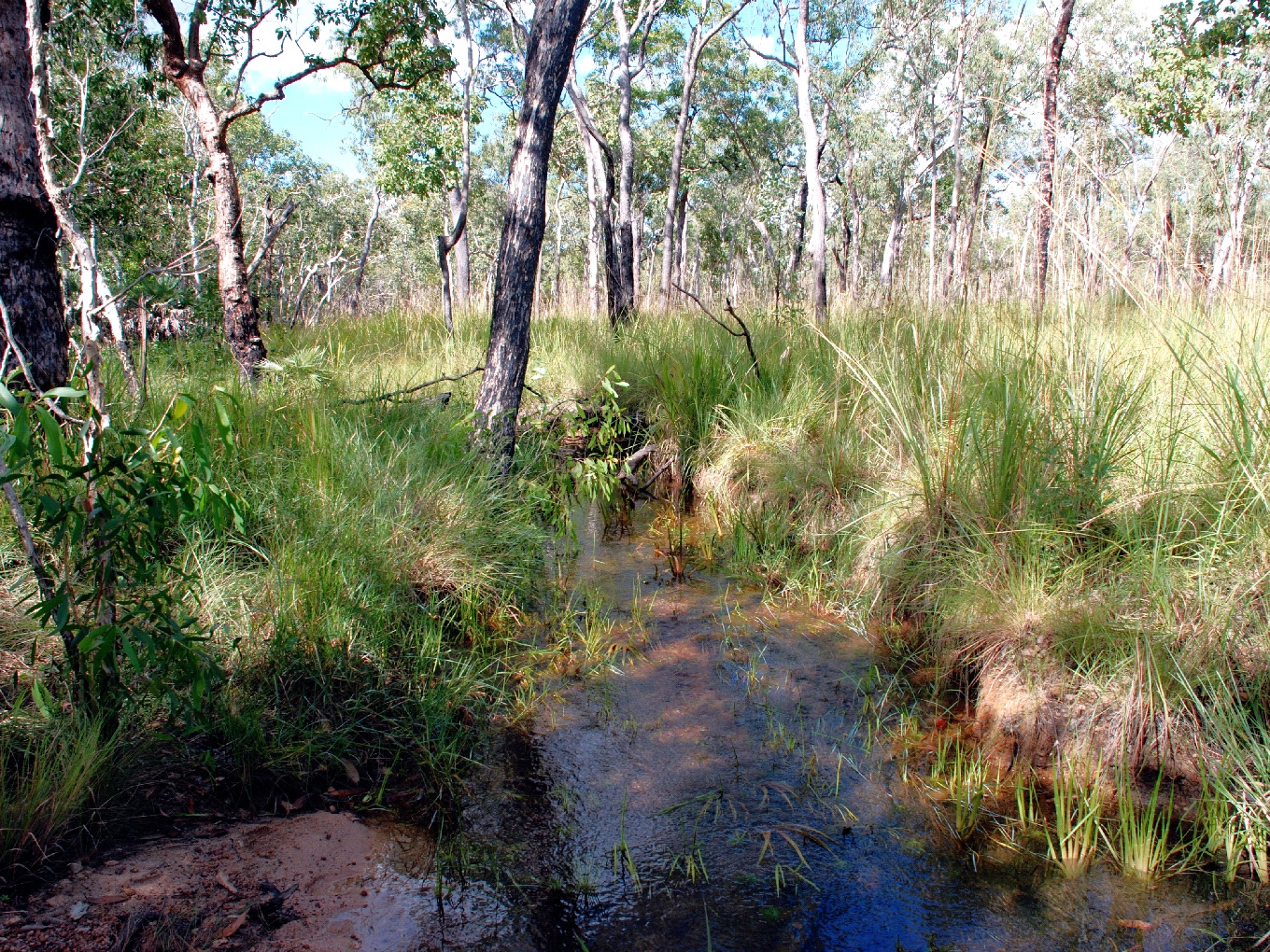
Melanotaenia trifasciata are a tropical fish, and occur in almost every kind of freshwater habitat, from slow-moving streams, wetland swamps, lagoons and clear flowing rivers. They are most common in flowing waters or in streams where water flow is present for much of the year. Melanotaenia trifasciata are most frequently found in clear waters with sandy substrates, followed by rocks, leaves and mud. In these habitats they are commonly found around sub-surface vegetation, submerged logs, or branches. Depth of waters in which M. trifasciata are mostly found range from 30 to 200 cm. They are often found inhabiting the same streams with M. nigrans, M. maccullochi and M. s. inornata. Their natural environment is subjected to seasonal variations with water temperatures ranging between 24°C during the dry season and up to 33°C in the wet season. The water is generally alkaline pH 7.2–8.0; however, they are occasionally found in acidic conditions pH 6.5–6.9.
Rainbowfishes have evolved to survive under a wide range of environmental conditions, and those conditions and the habitats created can change dramatically over time. Part of the reason for this is that Australian freshwater fish have adapted to live in variable and unpredictable environments, and so have not developed the strong habitat associations that are characteristic of highly specialised fish in more predictable river systems in other countries. Not surprisingly, the largest and healthiest populations of a species will generally be found where the conditions are closest to optimal for all the water quality factors.
Biology
Melanotaenia trifasciata characteristically display a considerable range of growth rates, depending on conditions such as food, space, numbers, competition and water temperature. In tropical waters, which have prevailing high temperatures, fish generally grow faster, mature younger, and have a shorter life span than fish in temperate waters.
Melanotaenia trifasciata are aseasonal spawners, breeding continuously at intervals throughout the year. Therefore it is difficult to define their breeding season. However, a peak in reproductive activity is usually during the early-wet season. The breeding season must coincide with the conditions that offer the greatest amount of protection for the eggs, and food and shelter for the newly hatched young. The duration and timing of reproductive activity are thus two critical components for their continual survival.
Females produce between 200 and 500 eggs, spawning a number of times daily for several days or opportunistically whenever conditions are favourable. Large females usually produce more than 50 eggs per day for several days. Smaller females, which are only just sexually mature, shed fewer eggs, 20–30 per day and spawning does not occur daily. The eggs are attached by adhesive threads or tendrils to aquatic plants or artificial substitutes. The eggs are large (average 1.5 ± 0.5 mm in diameter); clear to light amber in colour. After spawning, the female will leave, while the male remains displaying to passing females and thus defending his territory and the fertilised eggs. Depending on temperature hatching will occur 6–7 days after spawning.
Melanotaenia trifasciata is an omnivore feeding opportunistically in the surface and mid-water regions. In sunny conditions shoals of juveniles occurred near the water surface, but larger fish tend to occur in the mid-water region near submerged vegetation, often utilising aquatic plants as a refuge and food source. Under cloudy conditions, however, fish of all sizes preferred deeper water.
The main food items are aquatic insects, algae and terrestrial insects such as green ants (Oecophylla smaragdina), which presumably fall on to the water surface from overhanging vegetation.
The diet varies in relation to the habitat they occupy. In the mainchannel waterbodies they eat mainly aquatic insects, with small amounts of terrestrial insects, plant material and algae. In perennial streams, algae and terrestrial plant material are less important, while aquatic insects and, to a lesser extent, oligochaetes and micro-crustaceans, are consumed. The diet in the lowland sandy creekbeds has much larger algal and terrestrial insect components.
Specimens examined from the floodplains feed mainly on aquatic arachnids and aquatic insects, and a small amount of algae. Planktonic invertebrates (mostly zooplankton) are importance in their early life history stages. The availability of appropriate zooplankton is an important determinant of mortality levels endured by larval fish populations and thus is an important determinant of recruitment into the adult population.
Remarks
Due to the diversity of range and habitat, there are many colour variations in the trifasciata group. One of the most appealing is the ‘Goyder River’ variety found in the Goyder River in Arnhem Land. This species was first introduced to the aquarium hobby back in the early 1970’s.
Wally Muller, a well-known aquarium dealer in those days obtained a few during his visit to the Northern Territory to collect aquarium specimens. He obtained permits from the Fisheries and Wildlife Department, and was able to bring back some fine specimens to Brisbane where he had his retail business.
When first introduced to the aquarium hobby in Brisbane, the Goyder River rainbowfish created quite a deal of excitement. At a public aquarium exhibition, where they made their first public appearance, the cover glass was glued to the aquarium proper so that no one would be able to steal them.
References
- Allen G.R. (1989) Freshwater fishes of Australia. T.F.H. Publications, Inc., Neptune City, New Jersey.
- Rendahl H. (1922) A contribution to the ichthyology of north-west Australia. Nyt Magazin for Naturvidenskaberne, Kristiania 60: 163-197.